
Tulsi Kanthi Malas
Sacred Tulsi kanthi malas — the beads of shelter worn by the Vaishnava devotee, strung in one, two and three rounds.
38 products · from ₹40
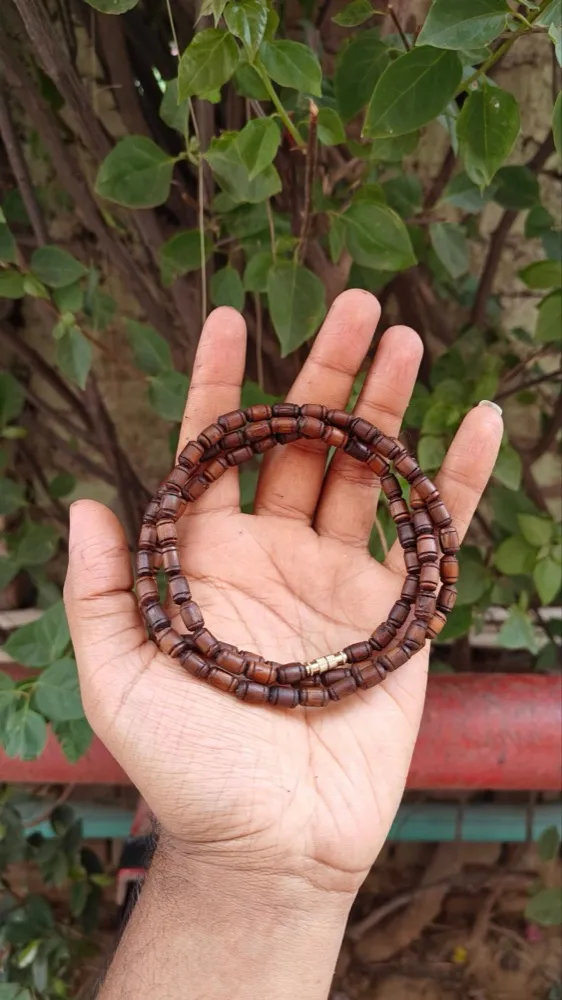
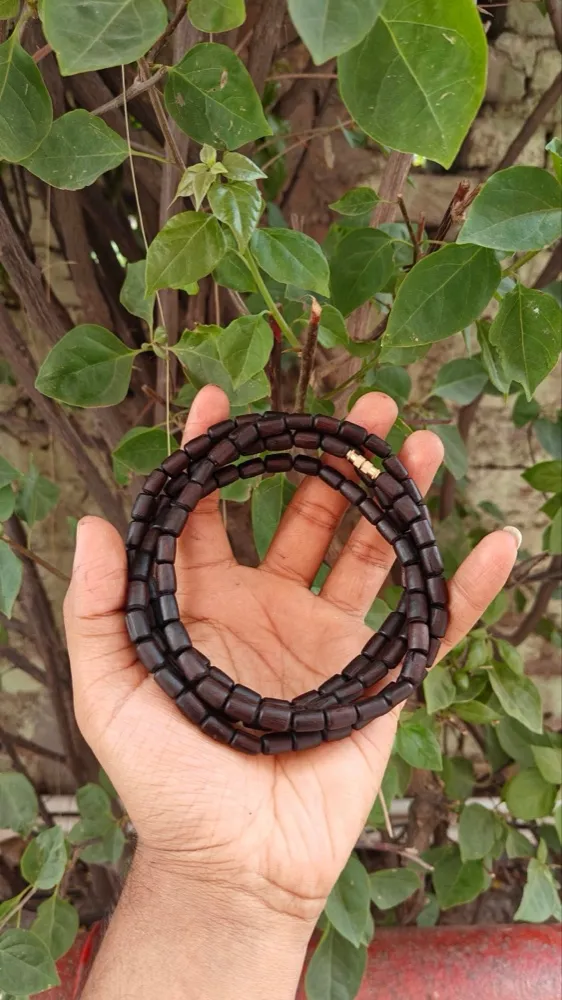
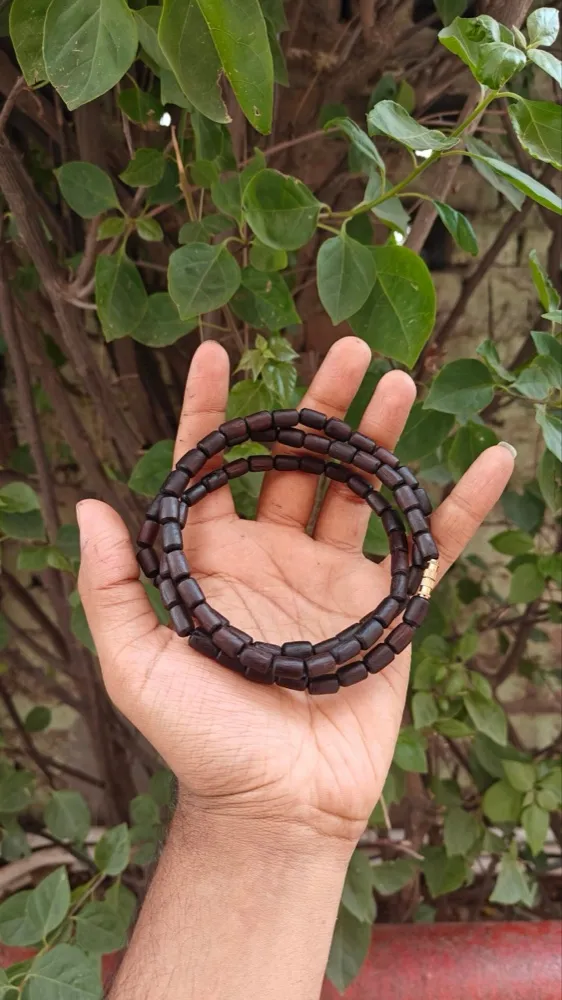
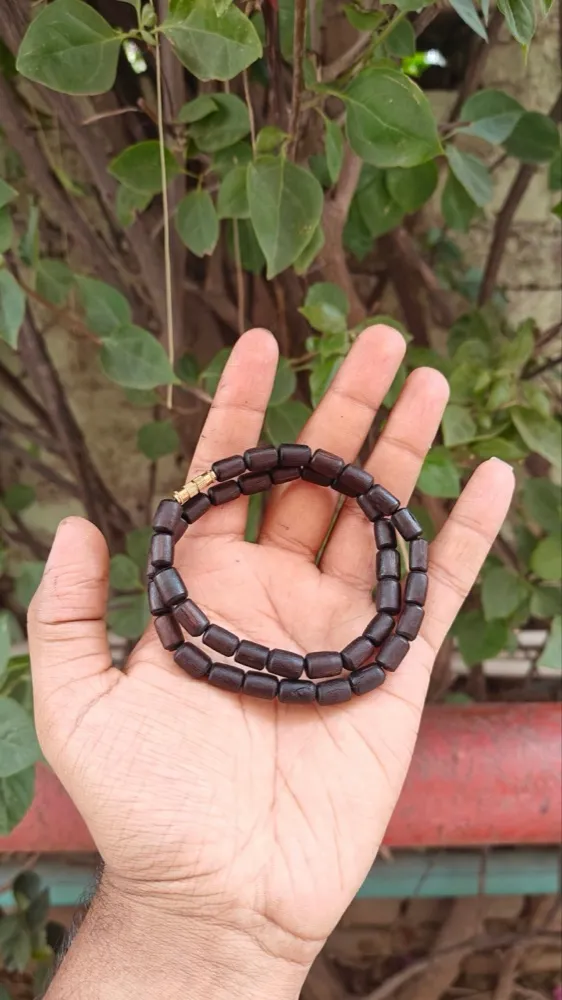
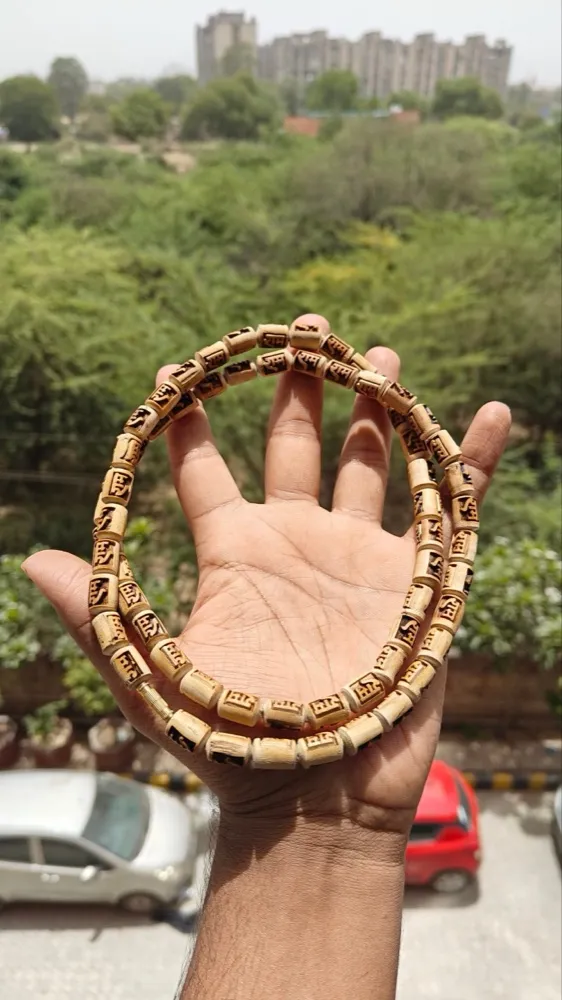
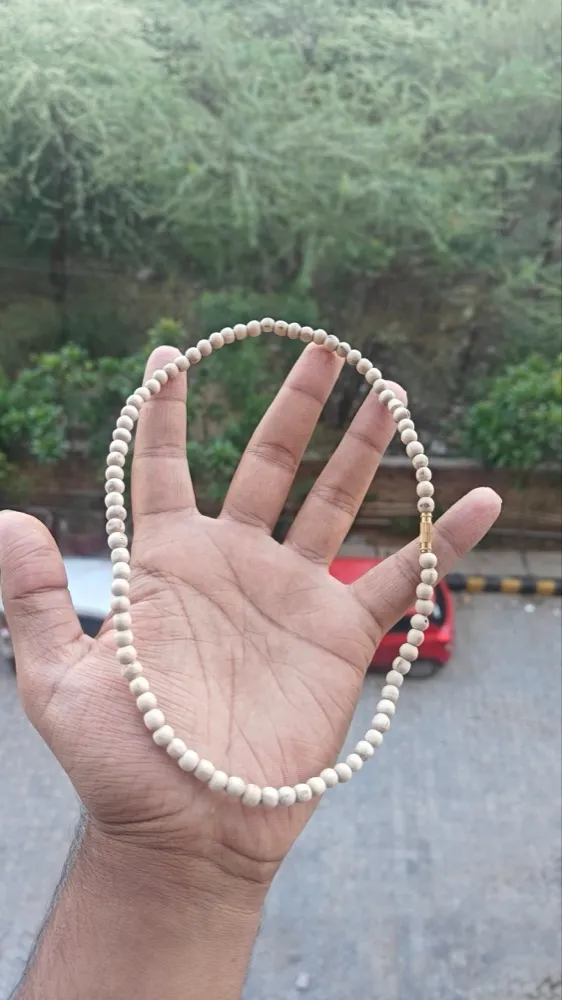
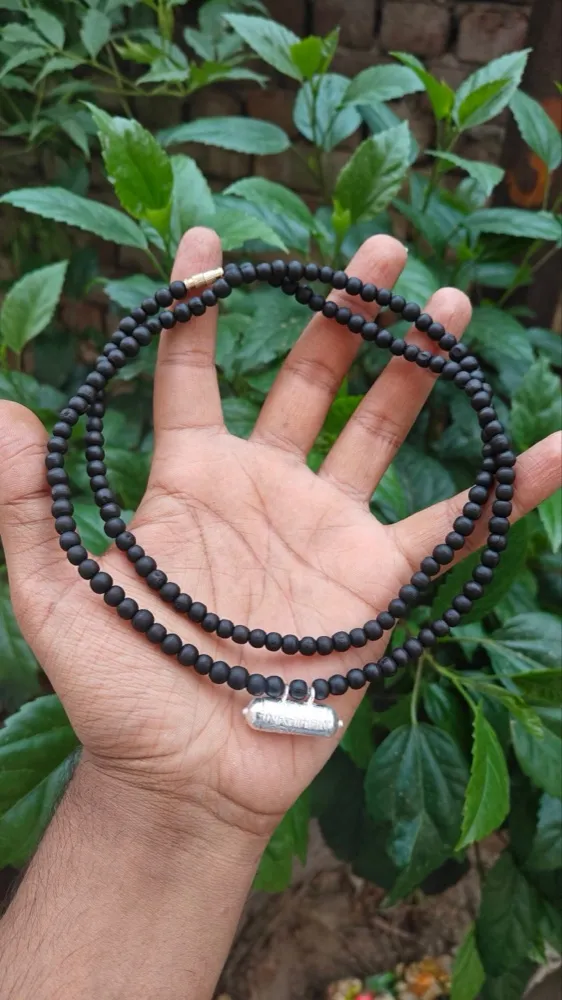
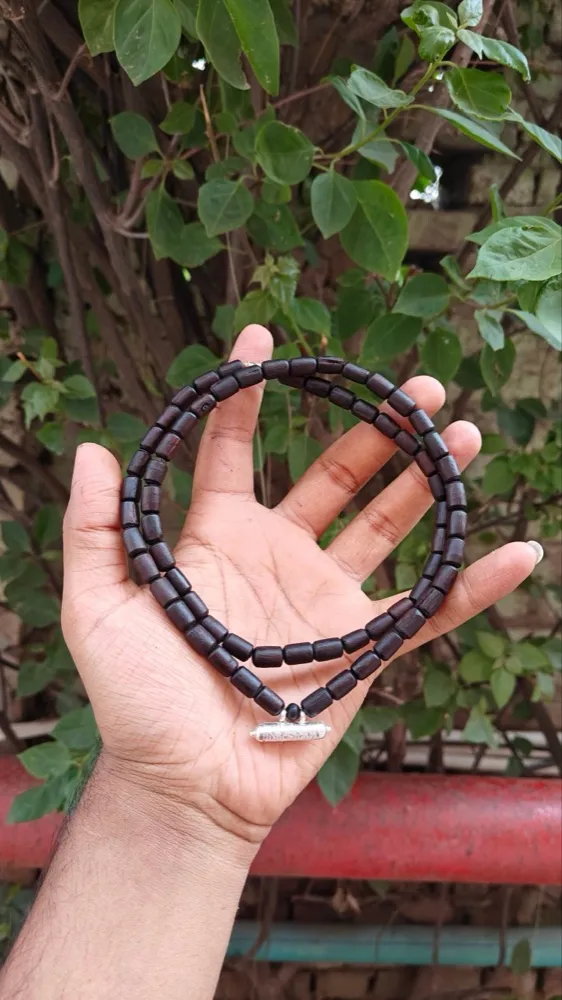
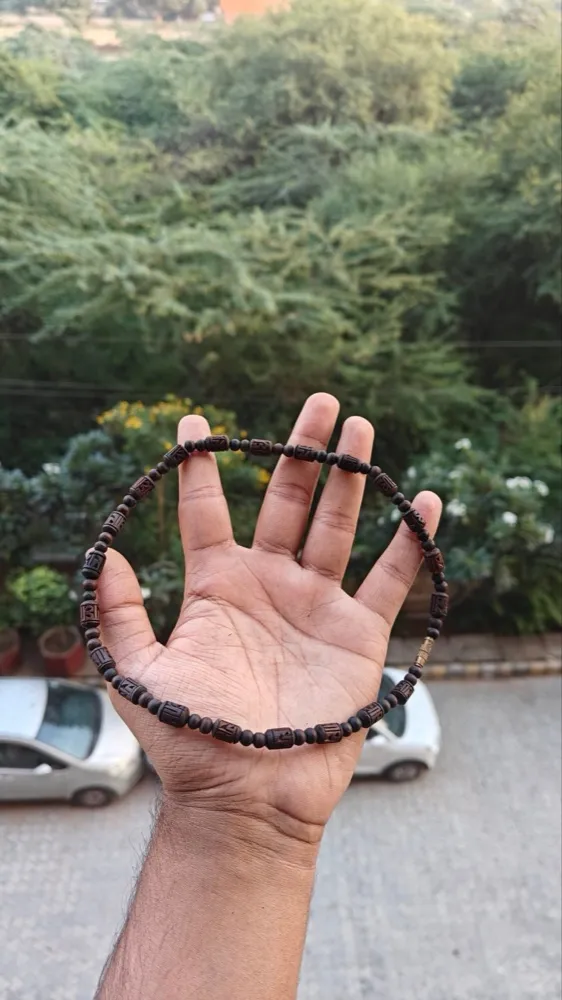
Black Tulsi Kanthi Mala with Silver Kavach filled with Braj Raj
Sacred Tulsi Wood
₹1,780₹2,450
In stock
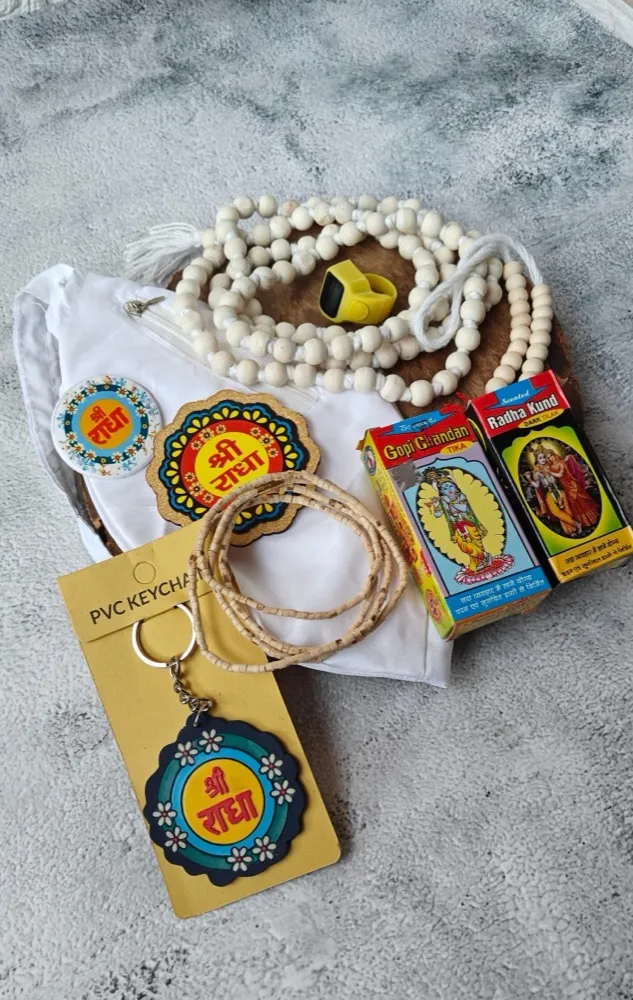
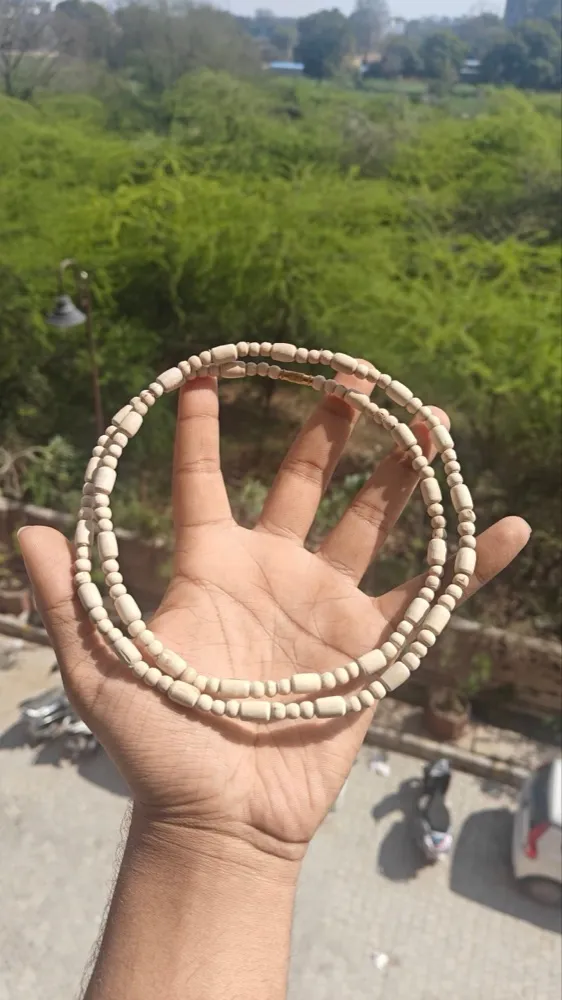
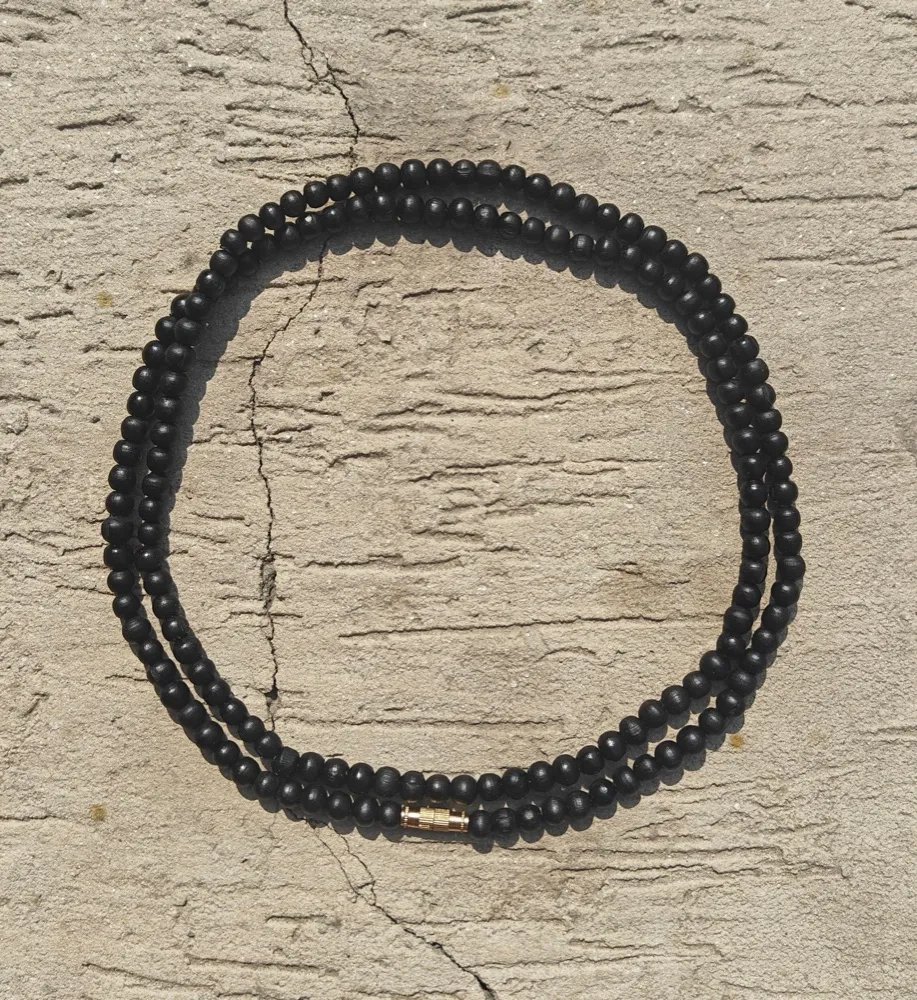
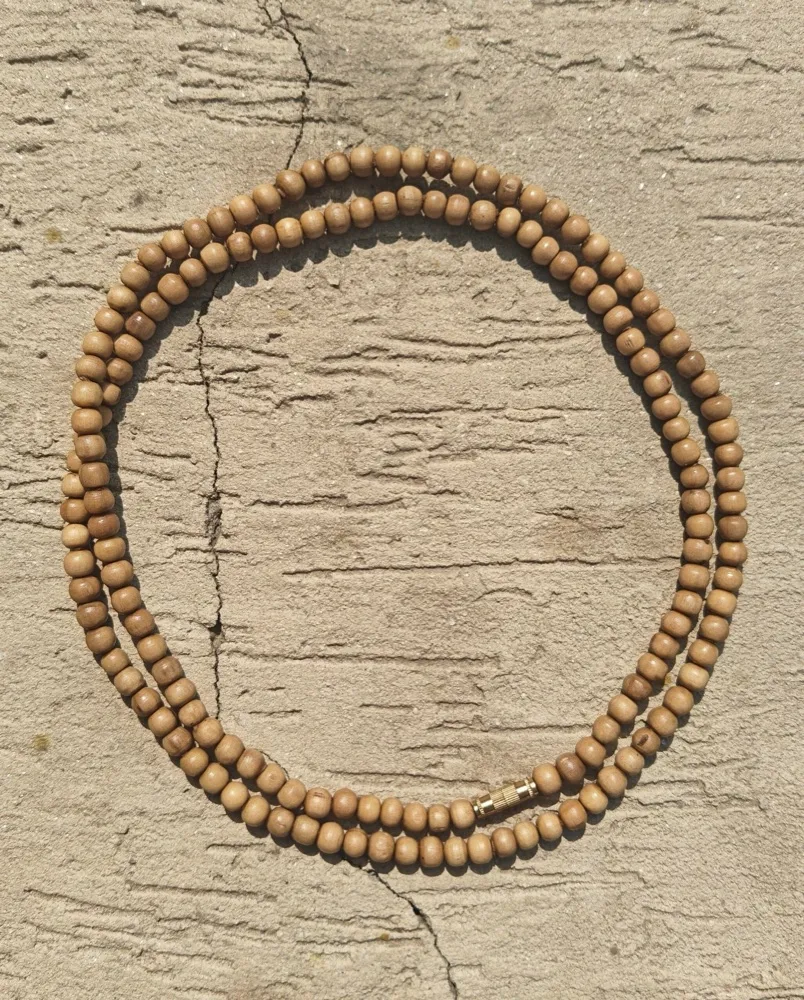
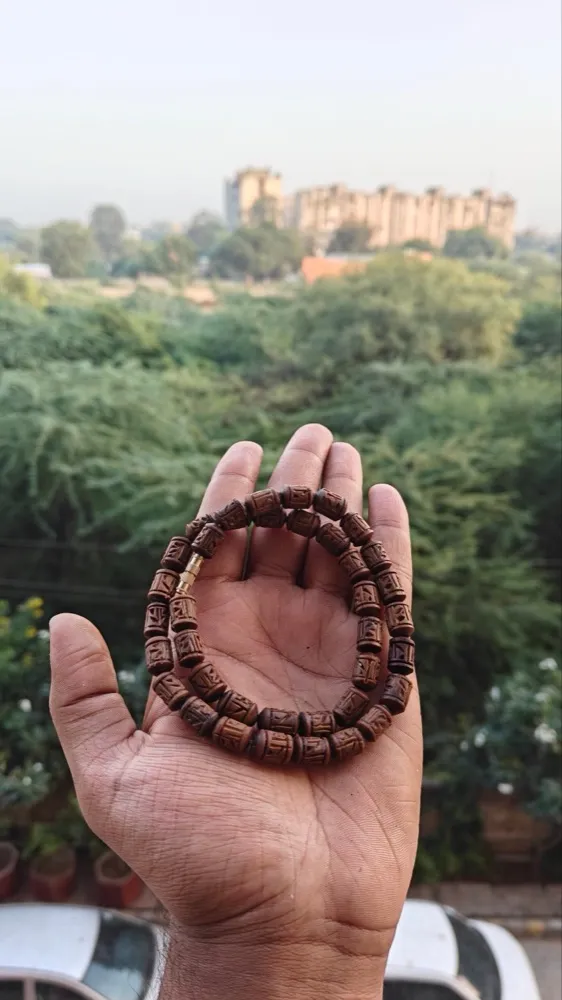
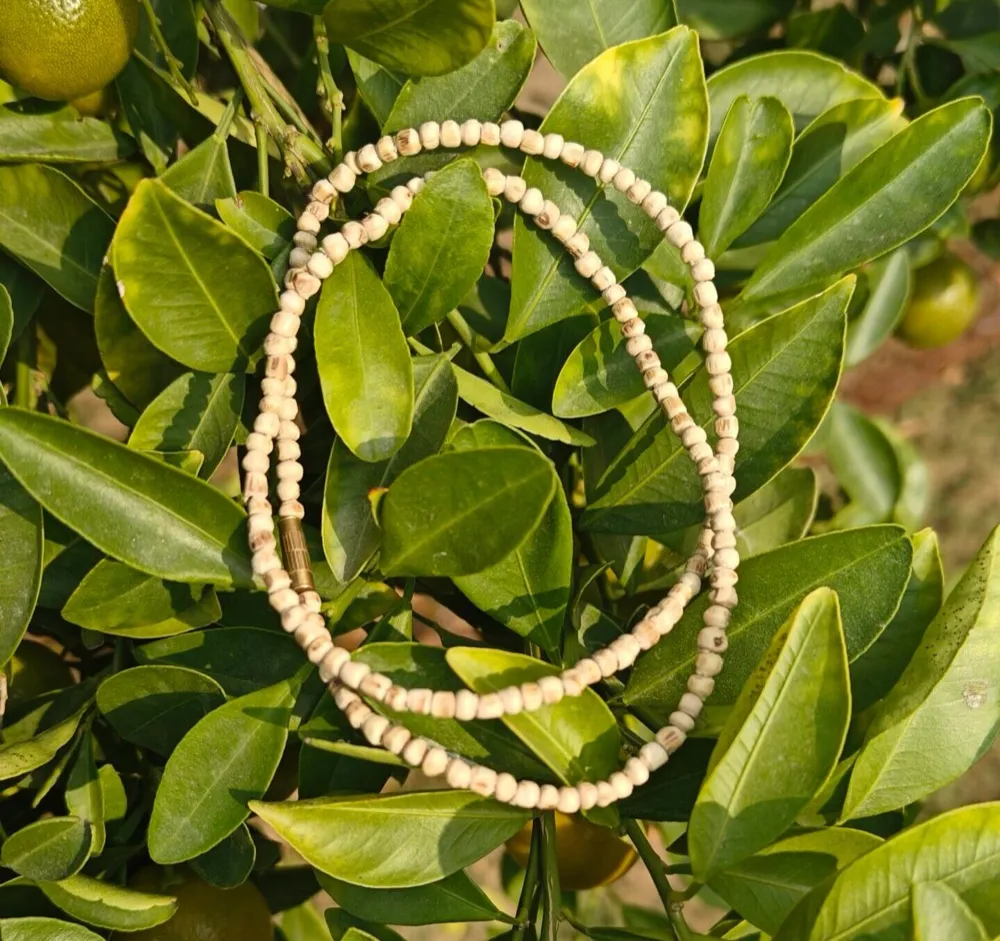
Light brown Handcrafted Radha name beads tulsi kanthi mala 1 round
Sacred Tulsi Wood
₹699₹1,000
Currently unavailable
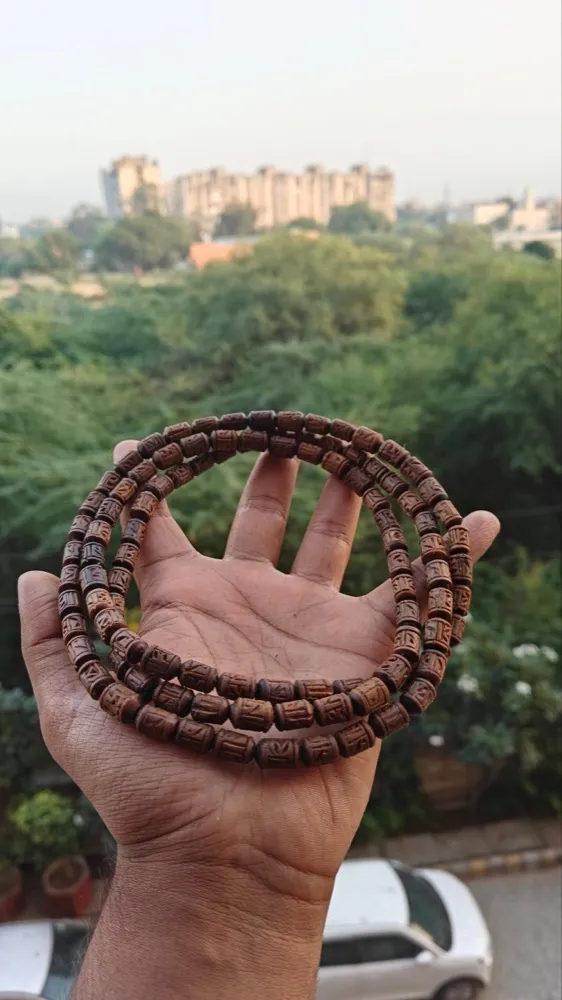
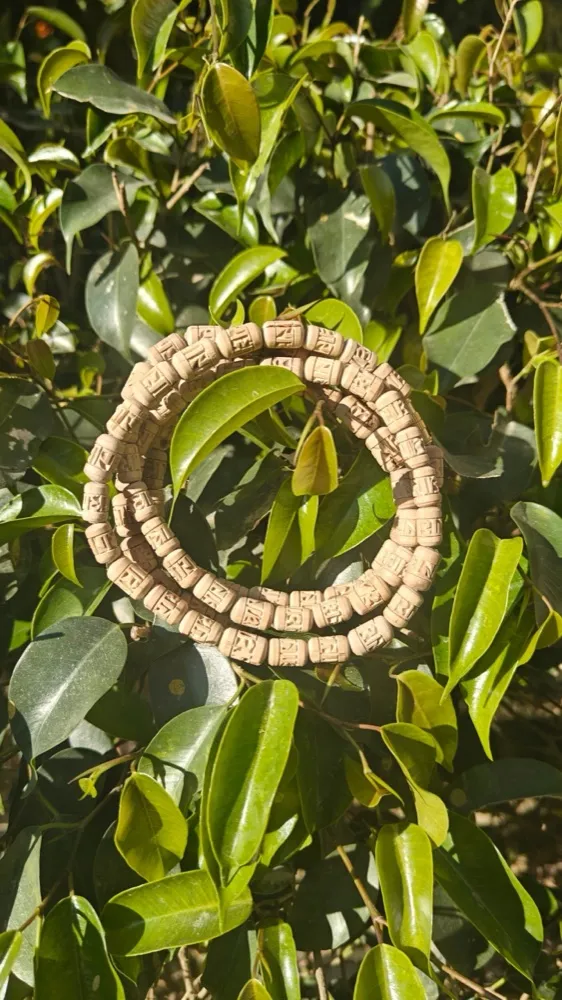
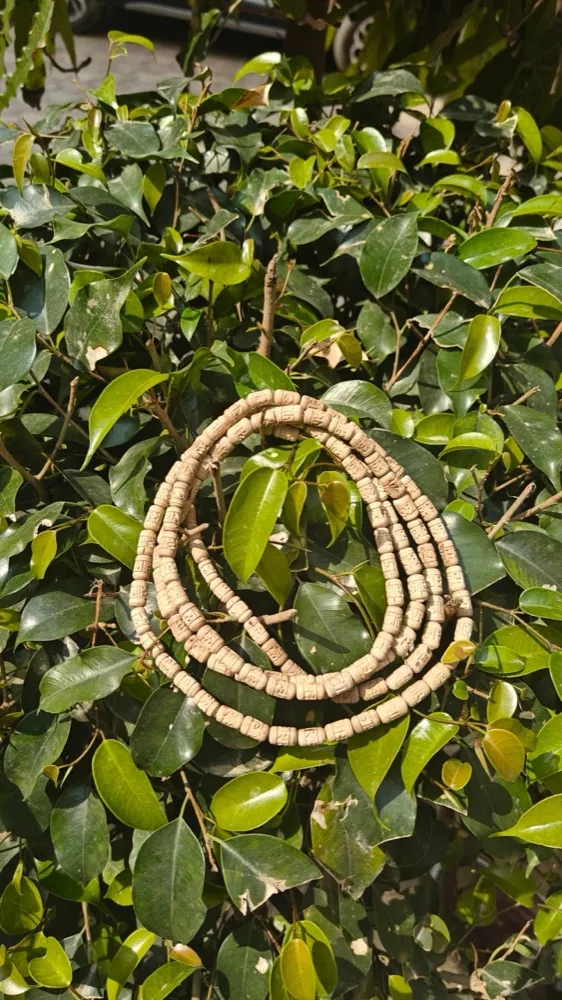
Light brown Handcrafted Radha name beads tulsi kanthi mala 3 round
Sacred Tulsi Wood
₹1,999₹2,850
Currently unavailable
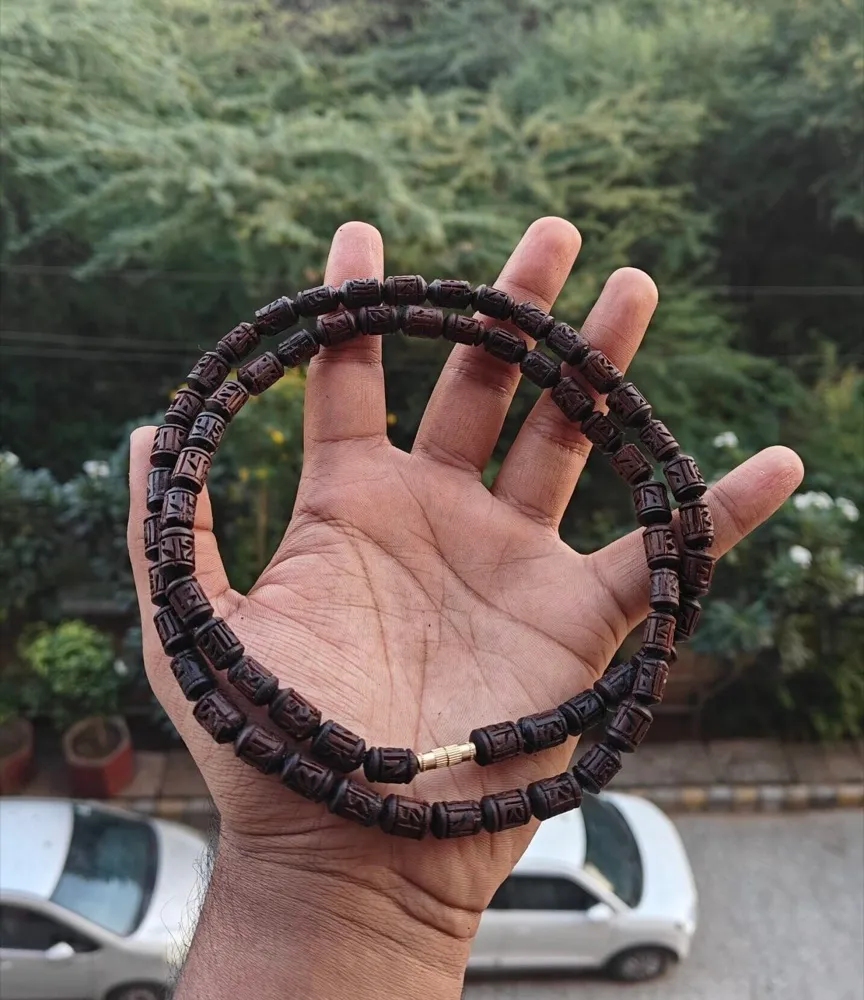
Dark brown Handcrafted Radha name beads tulsi kanthi mala 2 round
Sacred Tulsi Wood
₹1,650₹1,950
In stock
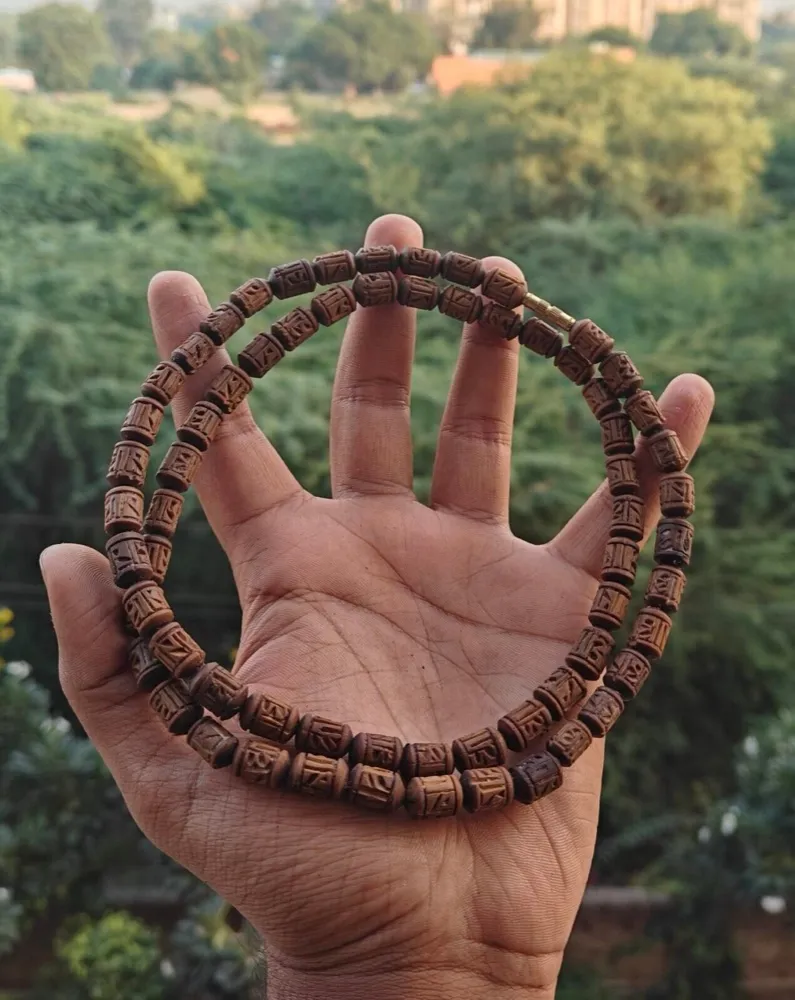
Light brown handcrafted radha name tulsi kanthi mala 2 round
Sacred Tulsi Wood
₹1,450₹1,950
Currently unavailable
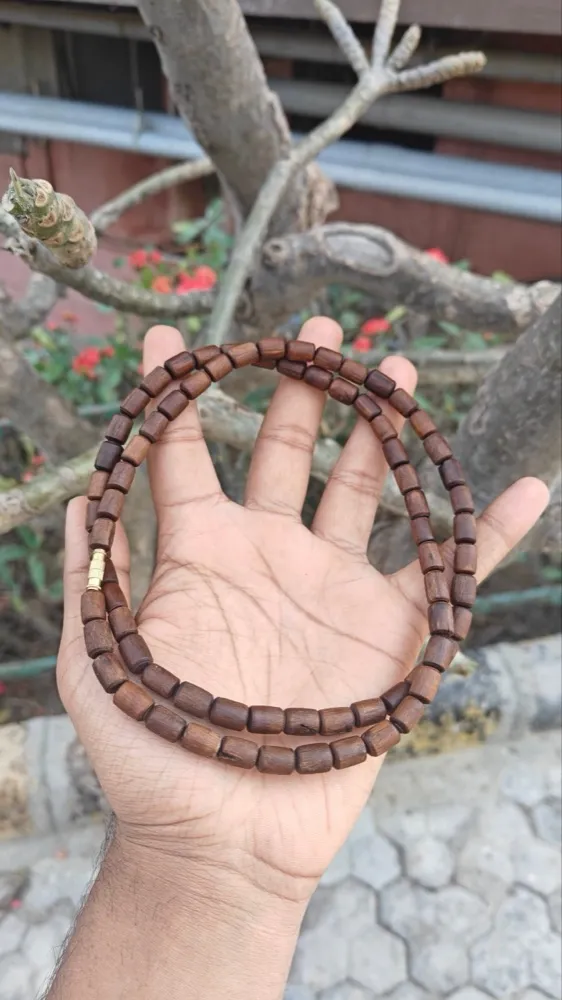
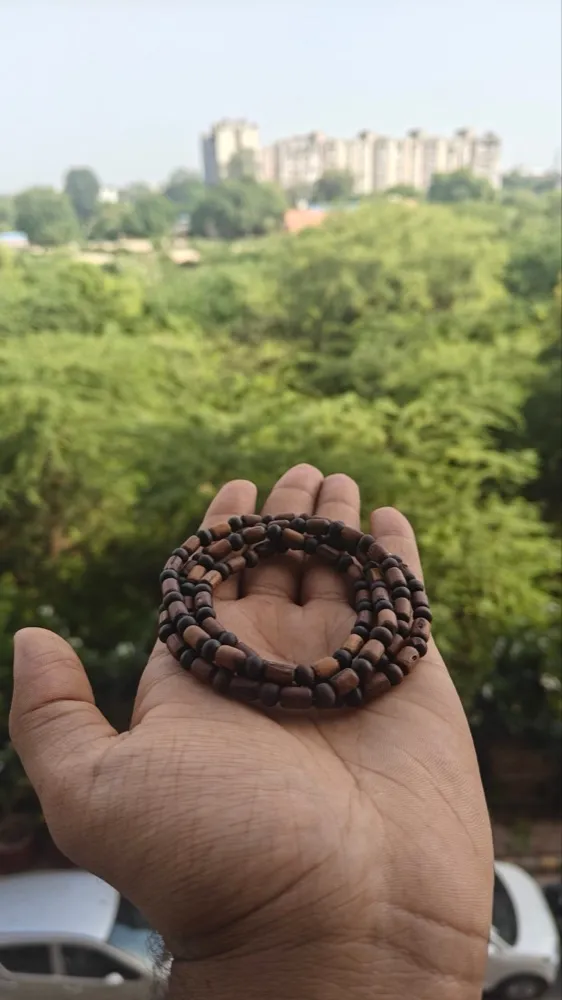
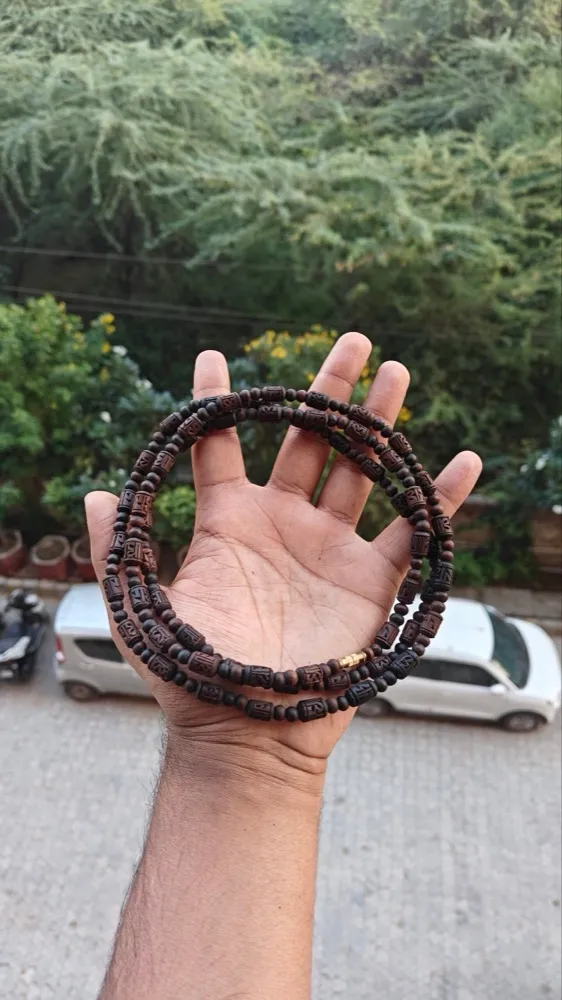
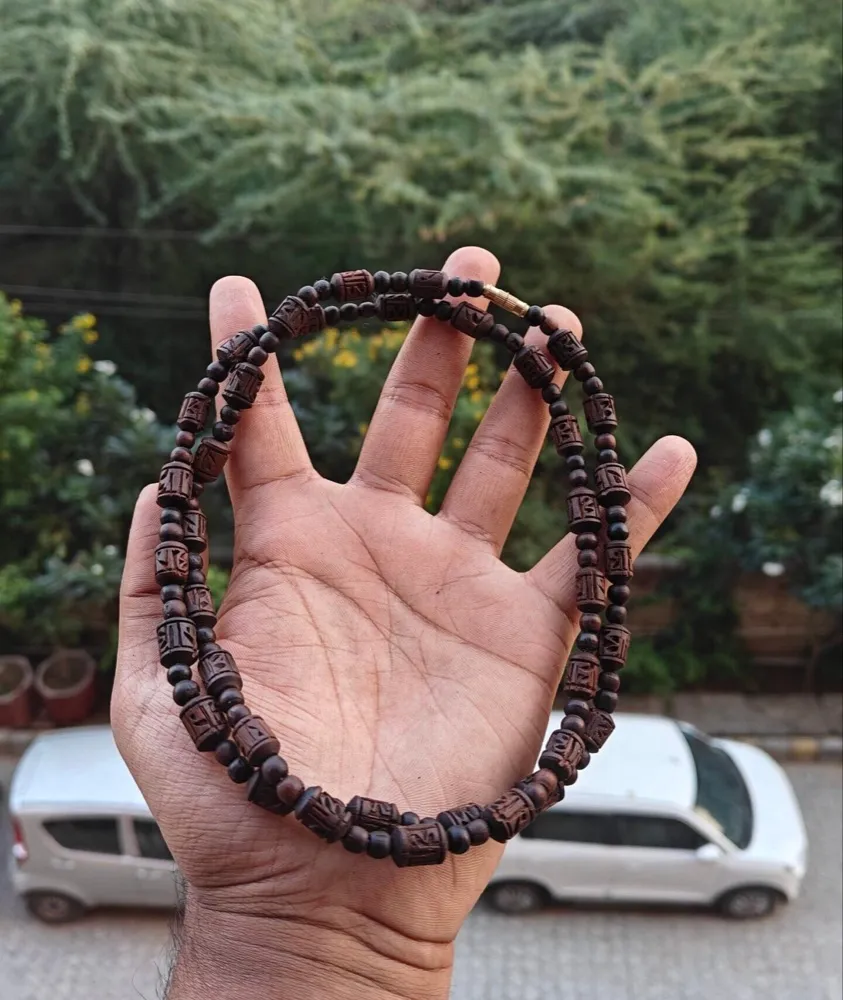
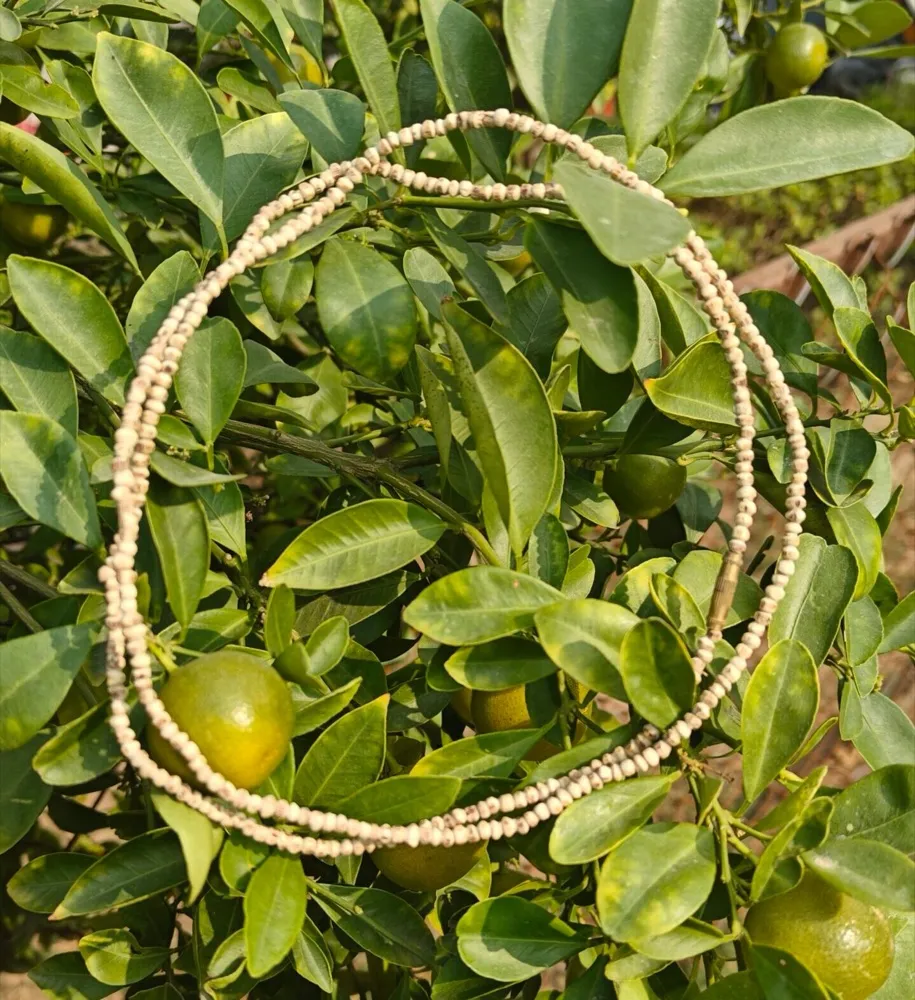
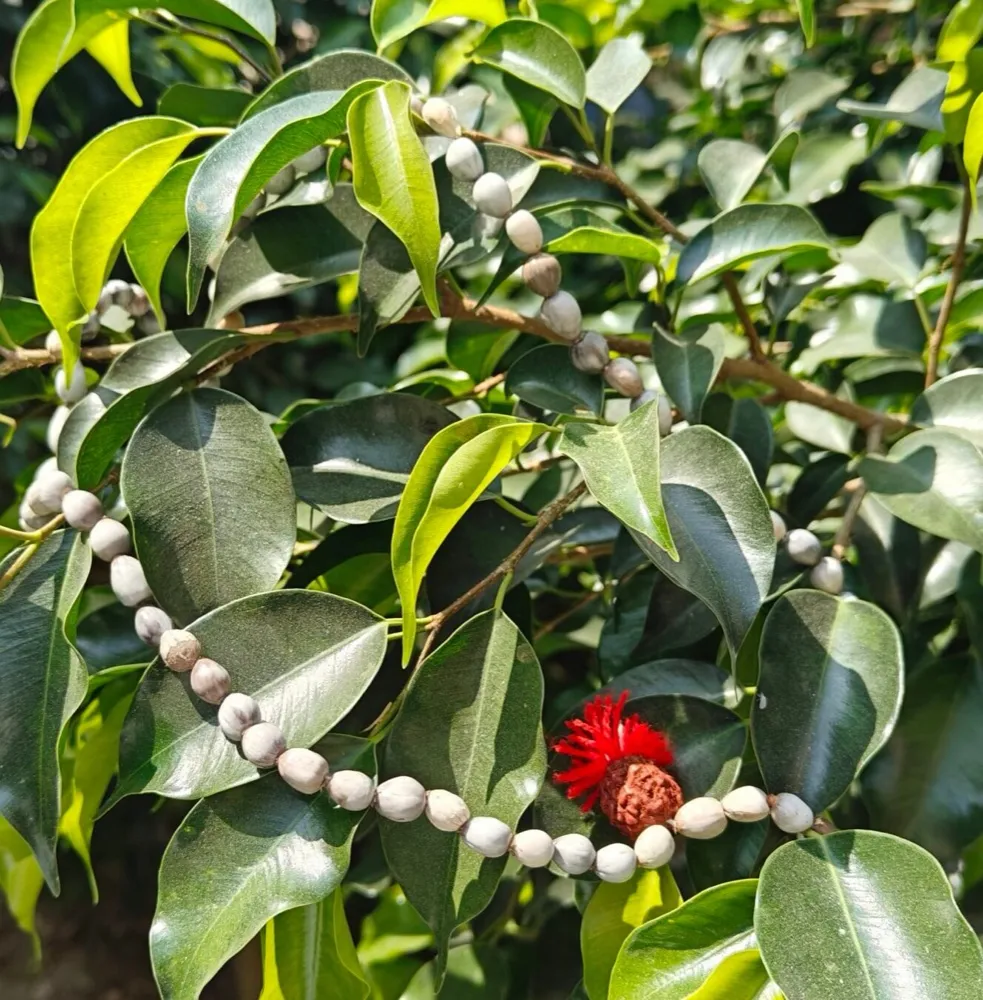
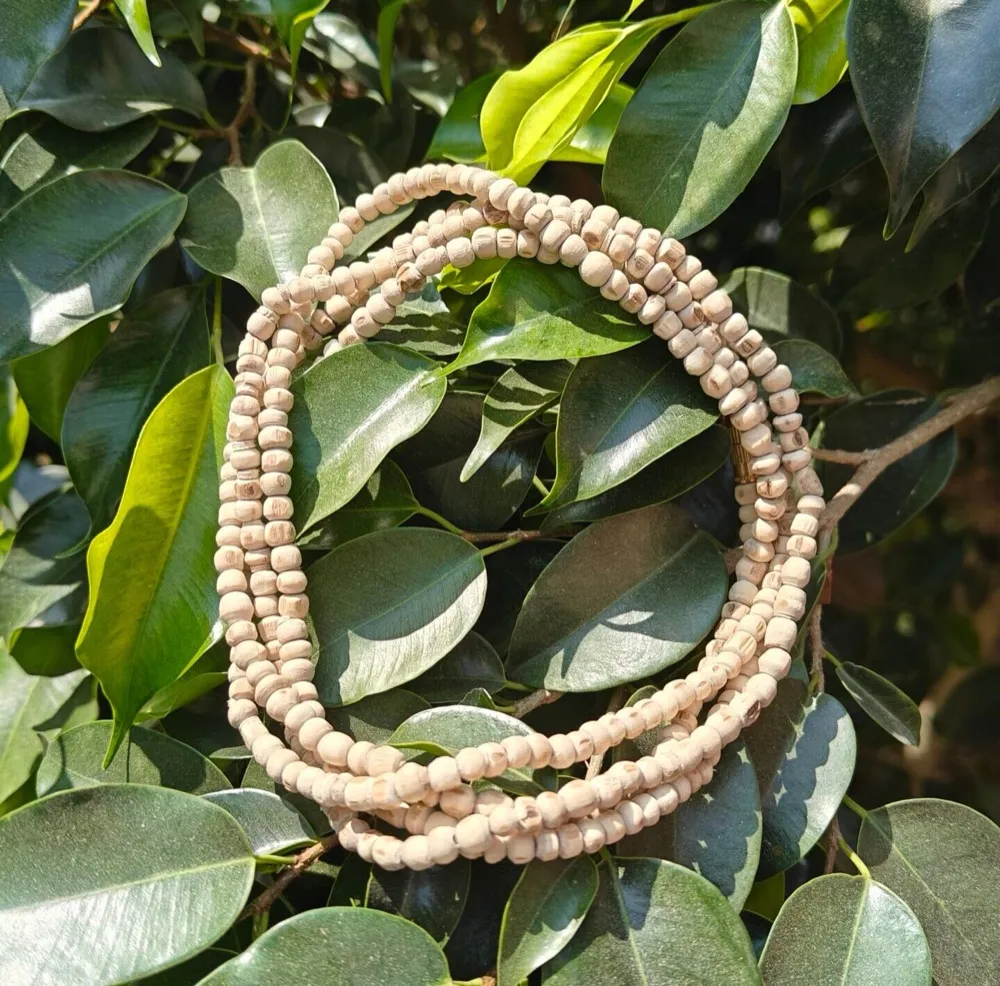
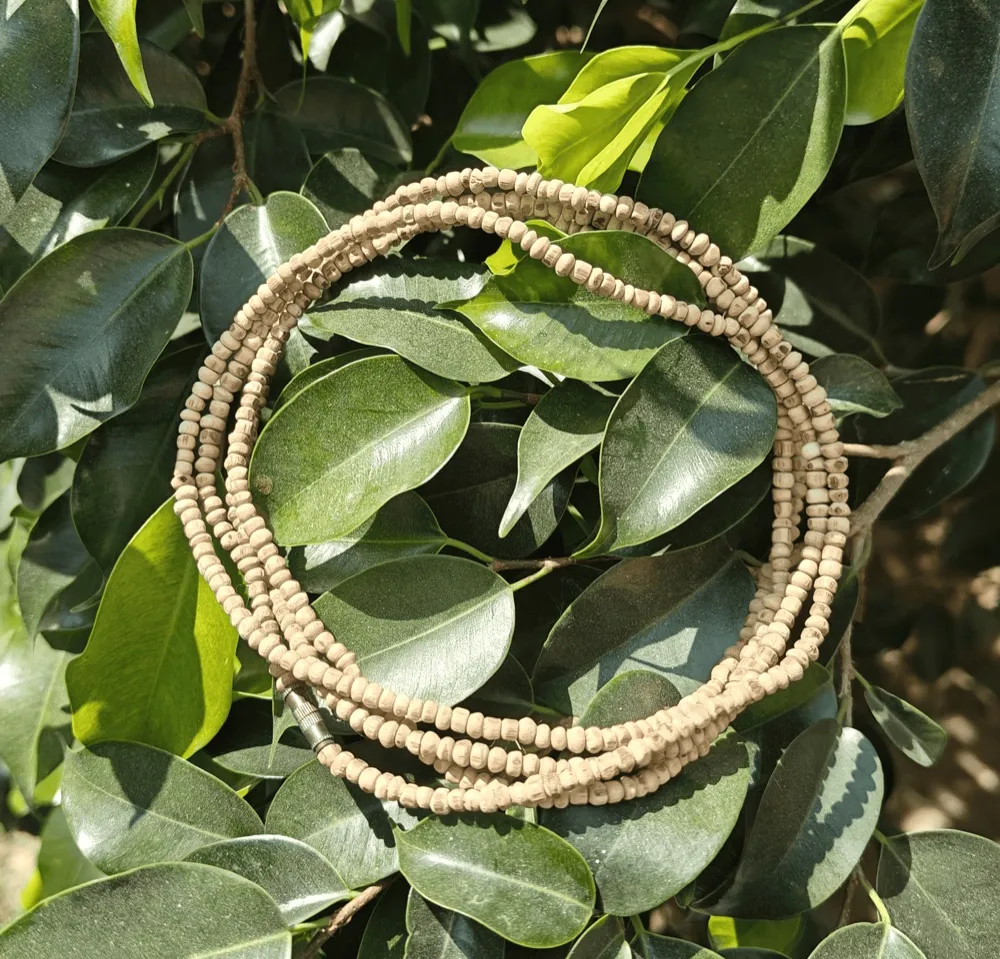
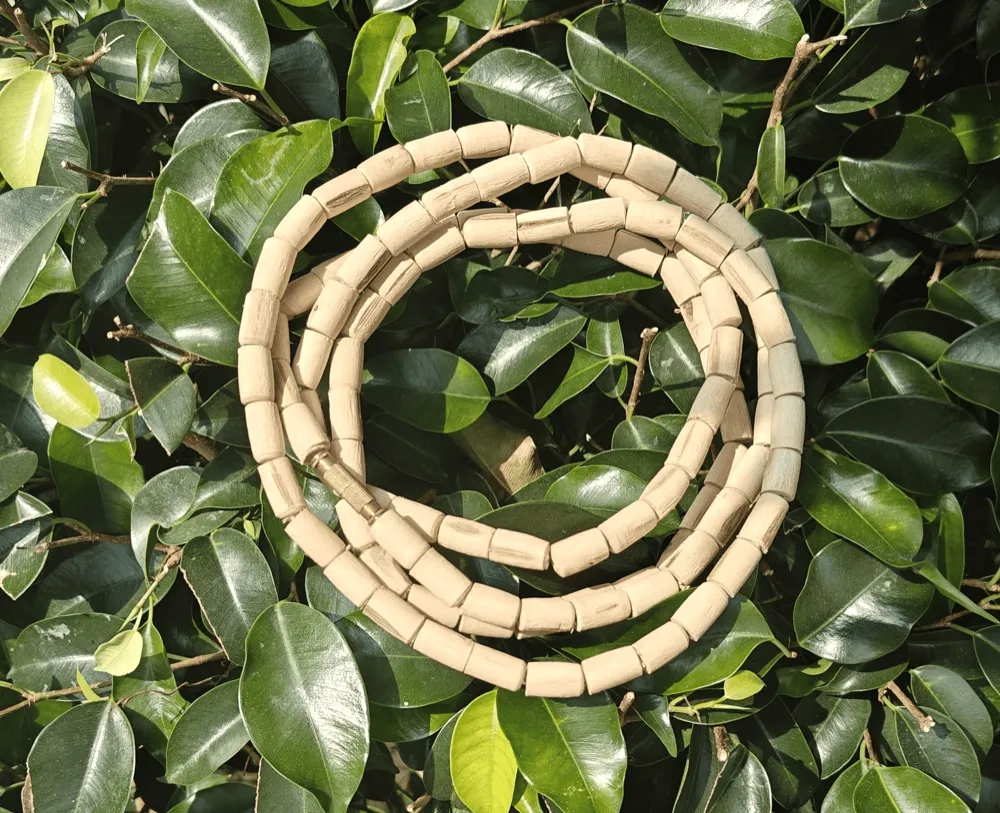
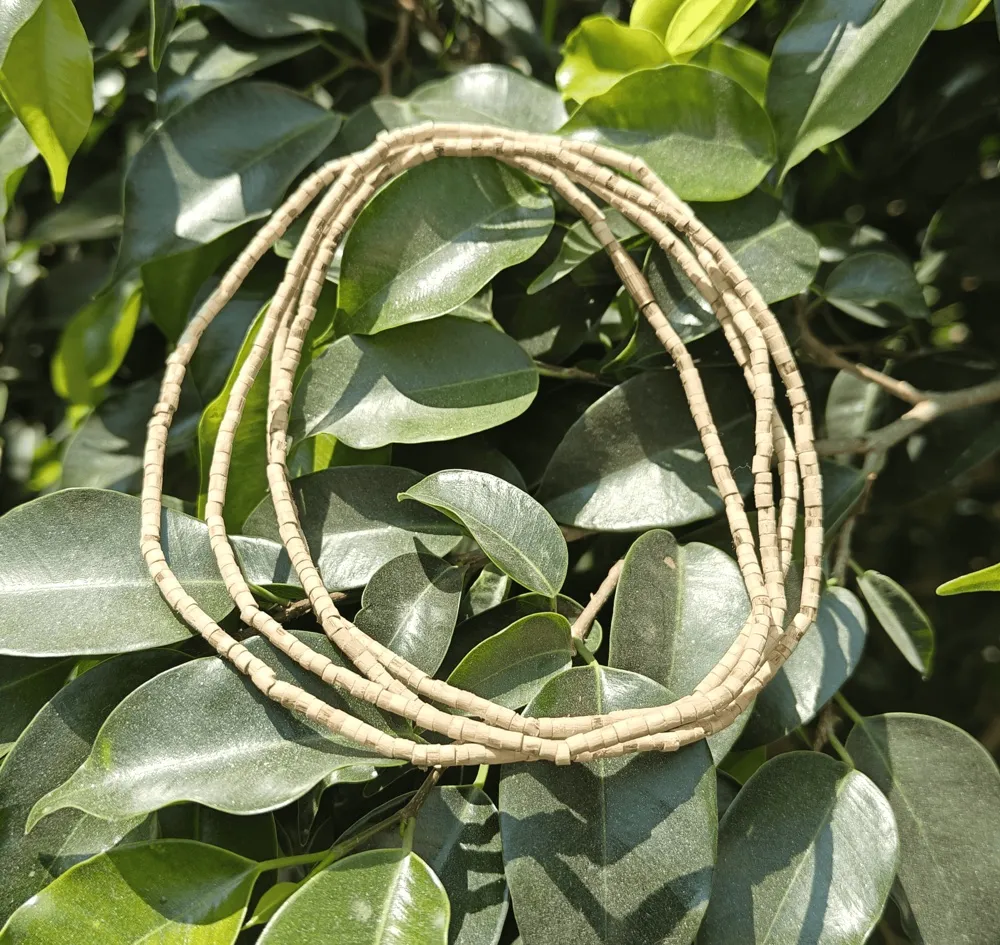
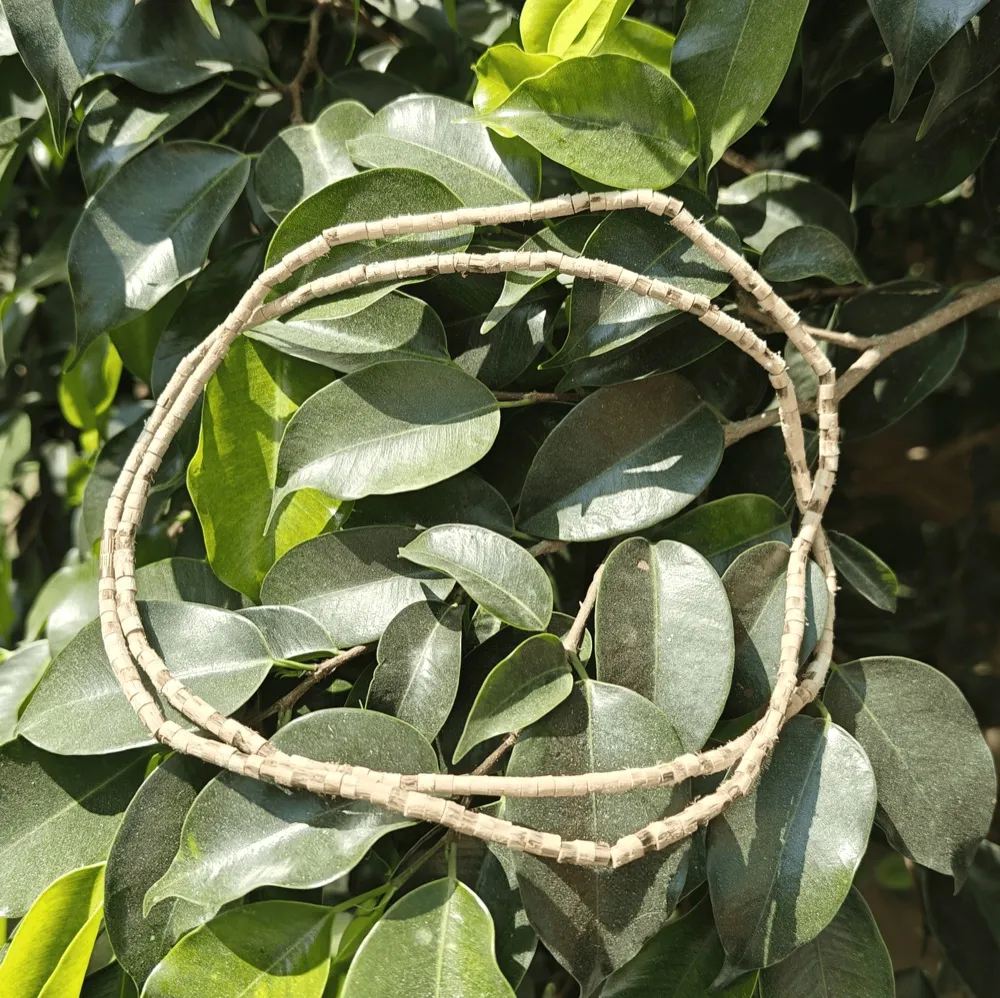
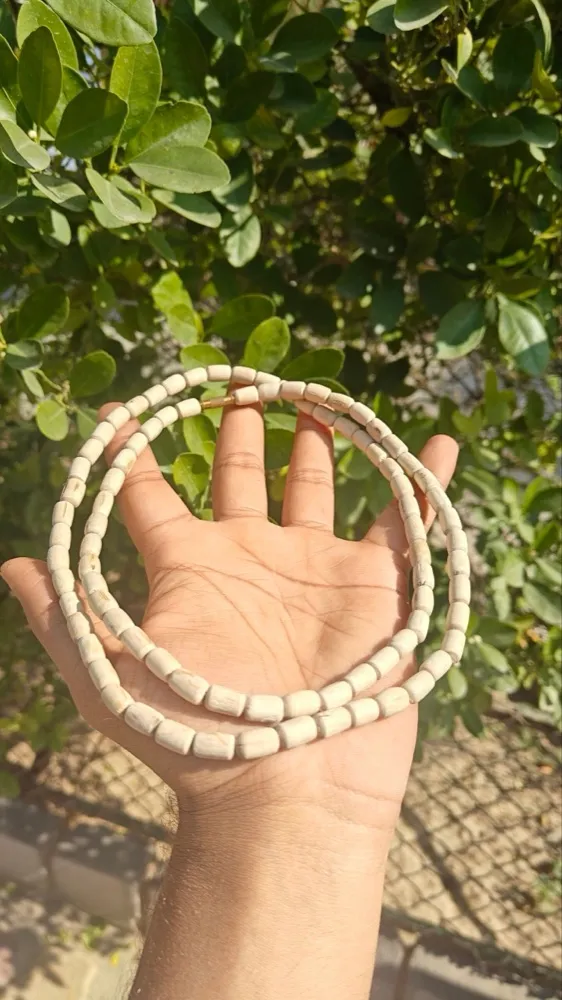
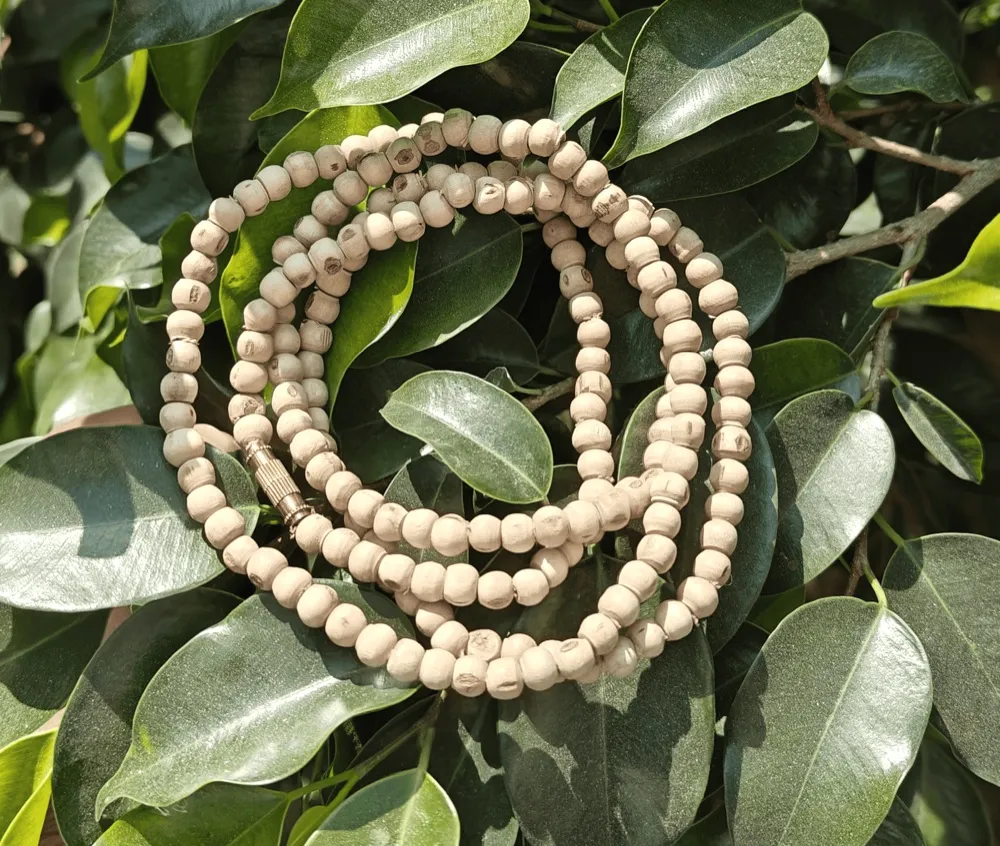
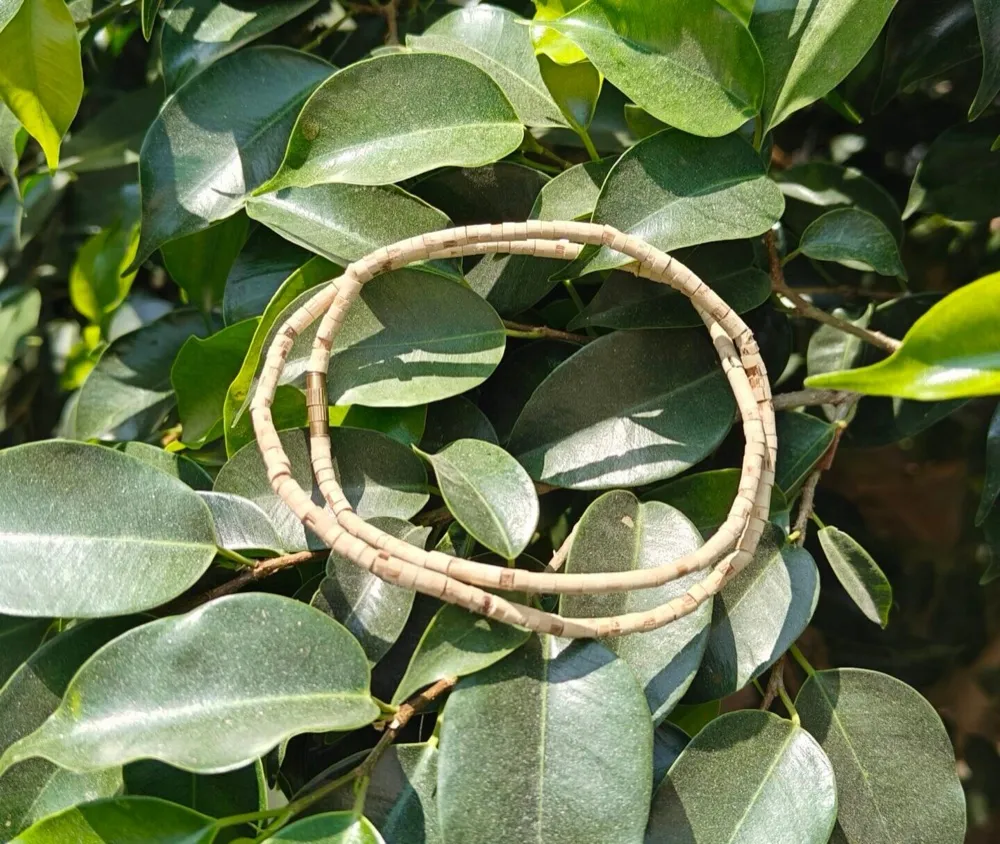
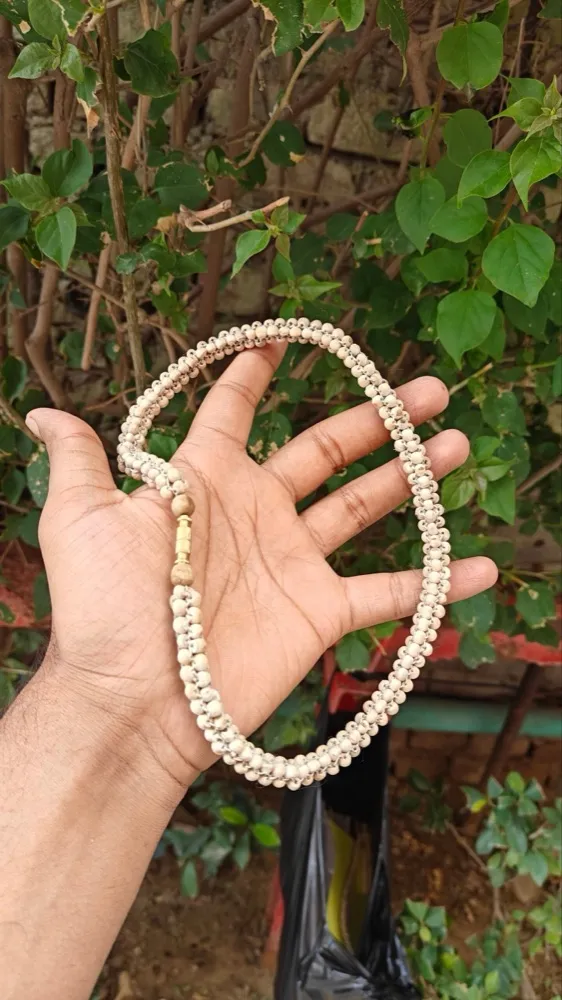
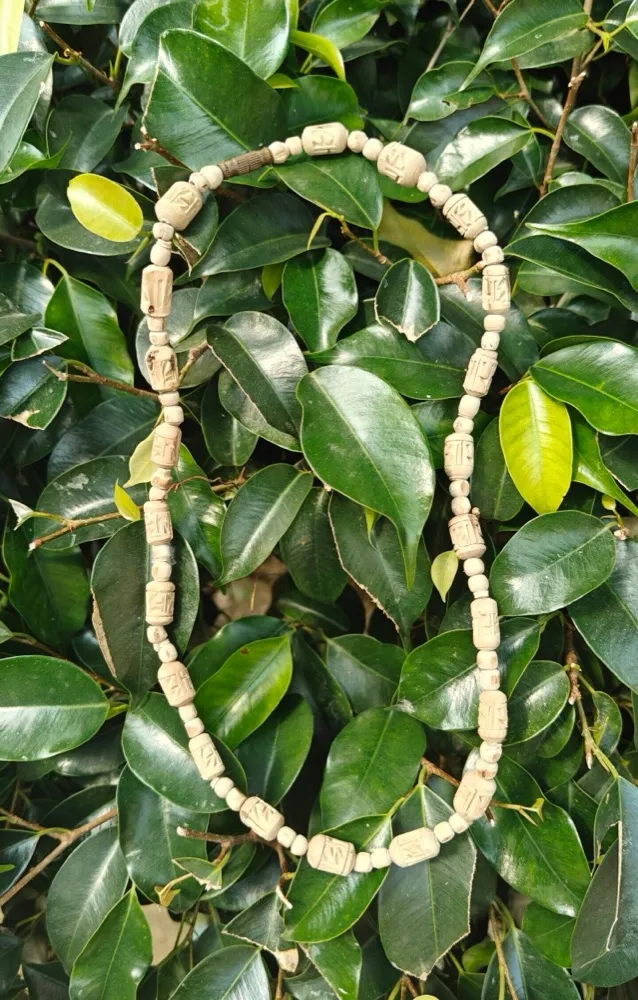
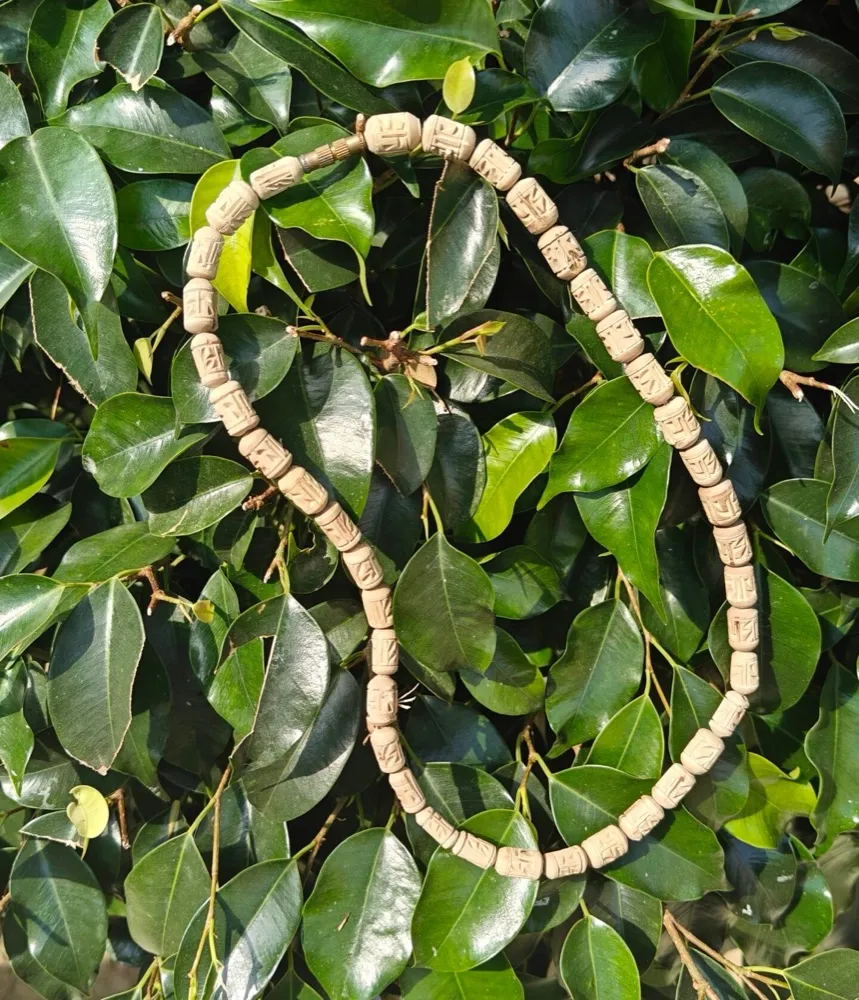
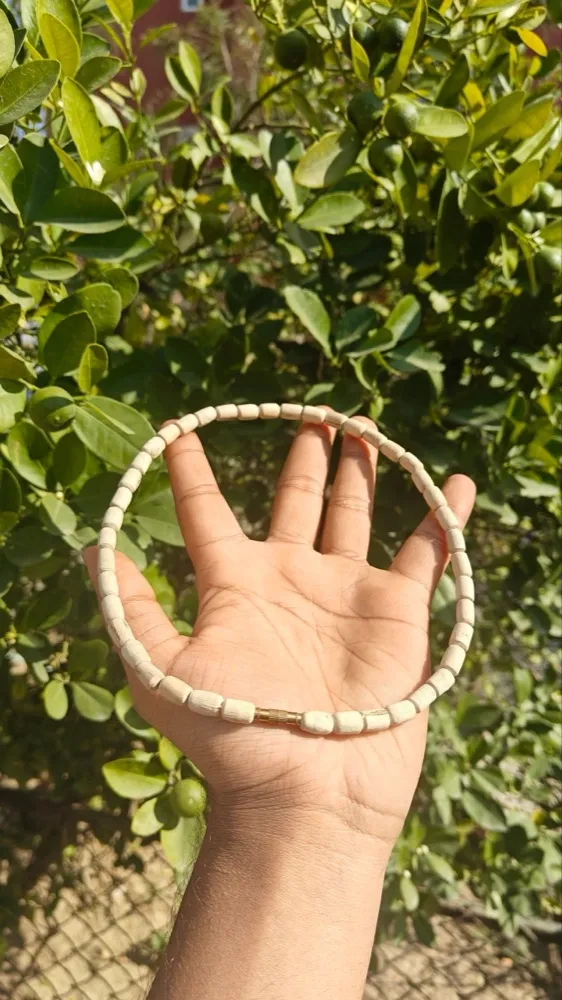
About Tulsi Kanthi Malas
A kanthi is the small mala worn at the throat rather than counted on. In the Vaishnava tradition it is worn as a mark of shelter and belonging — put on after bathing and kept on through the day, rather than taken out only at the time of worship.
The beads are cut from Tulsi, the plant held sacred to Vishnu and Krishna. That is the whole reason a kanthi is Tulsi and not sandalwood or any ornamental bead: it is the material itself that carries the meaning.
How to Choose
One, two or three rounds
A single round sits close at the throat and is the most common choice for daily wear, especially for those beginning. Two and three rounds are heavier and more visible, and are often worn by those who have taken formal shelter in a line. None is higher in rank than another — the number is a matter of practice and preference, not seniority.
Black or brown Tulsi
Brown Tulsi (Rama Tulsi) is the lighter, warmer bead; black or dark Tulsi (Shyama or Krishna Tulsi) is darker in grain. Both are genuine Tulsi and both are worn. The difference is the variety of the plant, not the quality of the wood.
Telling real Tulsi from imitation
Genuine Tulsi is light in the hand, shows visible wood grain rather than a uniform painted surface, and carries a faint woody scent. It is not an expensive material, which is exactly why imitation is worth a seller's while — plastic or dyed hardwood is passed off at Tulsi prices. Judge the bead by grain, weight and scent, and buy from someone who names the material plainly.
How it should fit
A kanthi is meant to sit at the base of the throat, not hang loose on the chest like a necklace. It is worn continuously, so it should be comfortable enough to sleep in and snug enough not to catch.
Common Questions
- Can a Tulsi kanthi mala be worn every day?
- Yes — it is meant for continuous daily wear. Keep it dry, take it off before bathing or swimming, and keep it away from soap, oil and chemicals so the wood is not damaged.
- Who can wear a Tulsi kanthi?
- In practice anyone with sincere respect for what it represents may wear one. Some lines give kanthi formally at the time of initiation; outside that, devotees commonly wear it as a mark of shelter and remembrance.
- What is the difference between a kanthi and a japa mala?
- A kanthi is worn at the throat and is not counted on. A japa mala is held in the hand and its beads are turned one by one while chanting. Many devotees keep both.