Festivals & Ekadashi
Ekadashi: Meaning, Rules & How to Observe the Fast
6 min read · Updated 2026-07-12
Ekadashi is one of the most observed practices in the Vaishnava tradition — a twice-monthly day of fasting and heightened devotion. The word means 'eleventh', for the eleventh lunar day on which it falls.
When Ekadashi falls
The lunar month has two fortnights — the waxing (bright) and the waning (dark). Ekadashi is the eleventh day of each, counting from the new moon and from the full moon. So there are two Ekadashis every month, each with its own name and glories. Exact dates and the break-fast timing (parana) shift by location, so a reliable Vaishnava calendar or panchang is followed.
What is avoided
- Grains and beans: rice, wheat, corn, lentils (dal) and legumes are traditionally not eaten on Ekadashi.
- Many devotees eat only fruit, vegetables, milk and nuts; some fast more strictly, and some take only water.
- The level of fasting is chosen according to one's health and capacity — the spirit, not severity, is the point.
How to observe it
- Decide your level of fasting in advance — full (water only), fruits and milk, or simply no grains.
- Spend the freed time in devotion: chant extra rounds of japa, read scripture, and remember the Lord.
- Keep the day simple and sattvic; avoid indulgence even in permitted foods.
- Break the fast the next morning (Dwadashi) within the prescribed window, traditionally by honouring grains again.
From the Shop
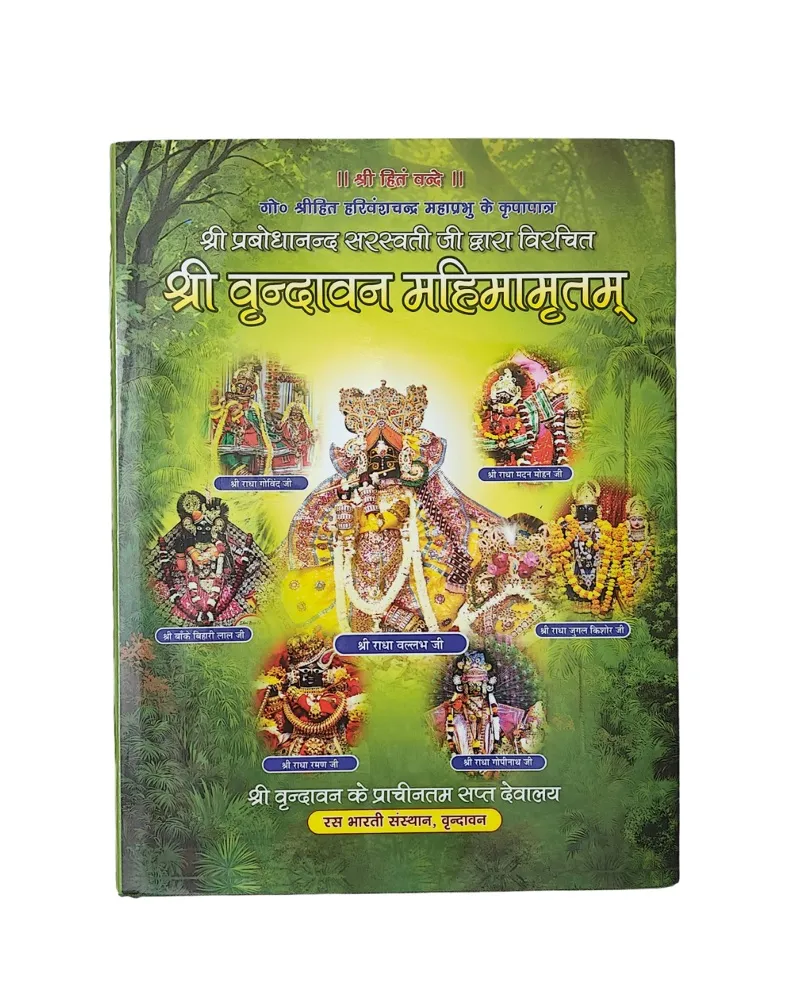
Shri Vrindavan Mahimamritam by Prabhodananda Saraswati (Hindi)
₹700
From the Shop
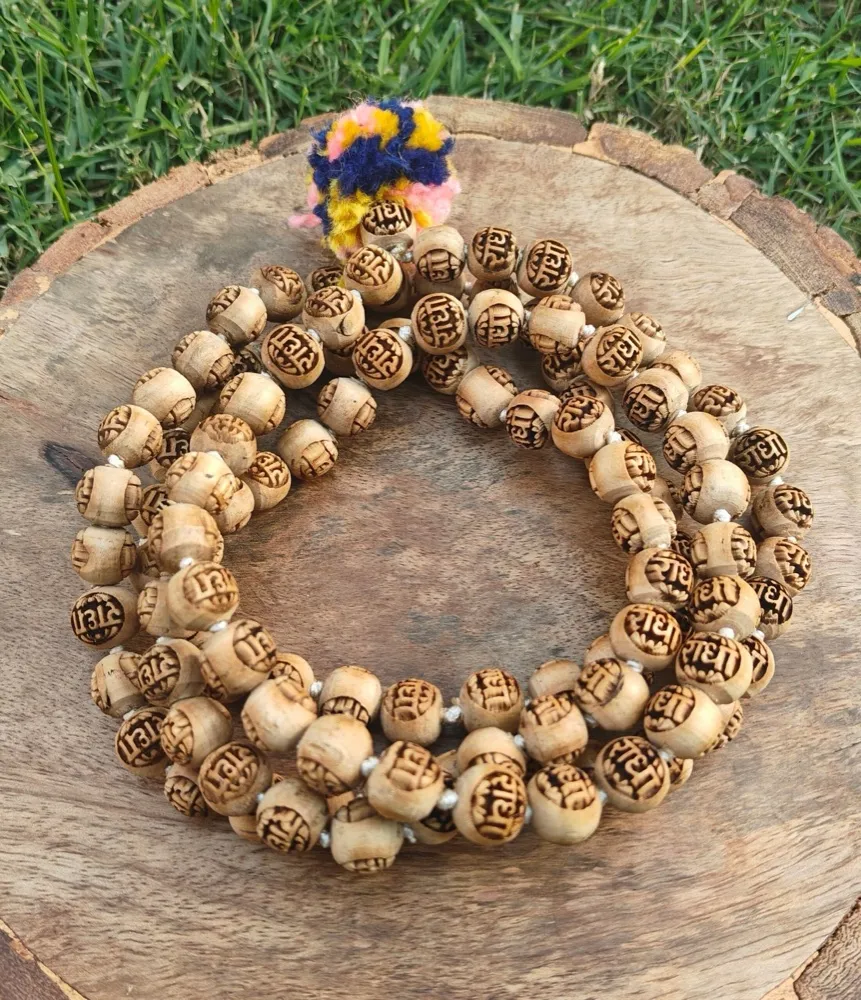
Radha naam Tulsi japmala 108+1 beads
₹2,550
Frequently Asked
- What is Ekadashi?
- It is the sacred eleventh lunar day, observed twice a month by Vaishnavas as a day of fasting from grains and beans and increased devotion to the Lord.
- What can you not eat on Ekadashi?
- Grains and beans — rice, wheat, corn, lentils and legumes — are avoided. Many devotees take only fruit, vegetables, milk and nuts, or fast more strictly.
- How many Ekadashis are there in a month?
- Two — one in the waxing fortnight and one in the waning fortnight, each falling on the eleventh lunar day.
- Is Ekadashi only about fasting?
- No. The fasting supports the real purpose, which is heightened devotion — extra chanting, reading and remembrance of Krishna.