Seva & Home
Alcohol-Free Attar for Deity Seva: A Buyer's Guide
5 min read · Updated 2026-07-16
Offering fragrance to the Lord is one of the sweet, everyday services of deity worship — but what is offered must be pure. That is why the attar used in seva is alcohol-free: a fragrant oil, never an intoxicant, fit to be offered to the deity and worn by the devotee.
Why alcohol-free
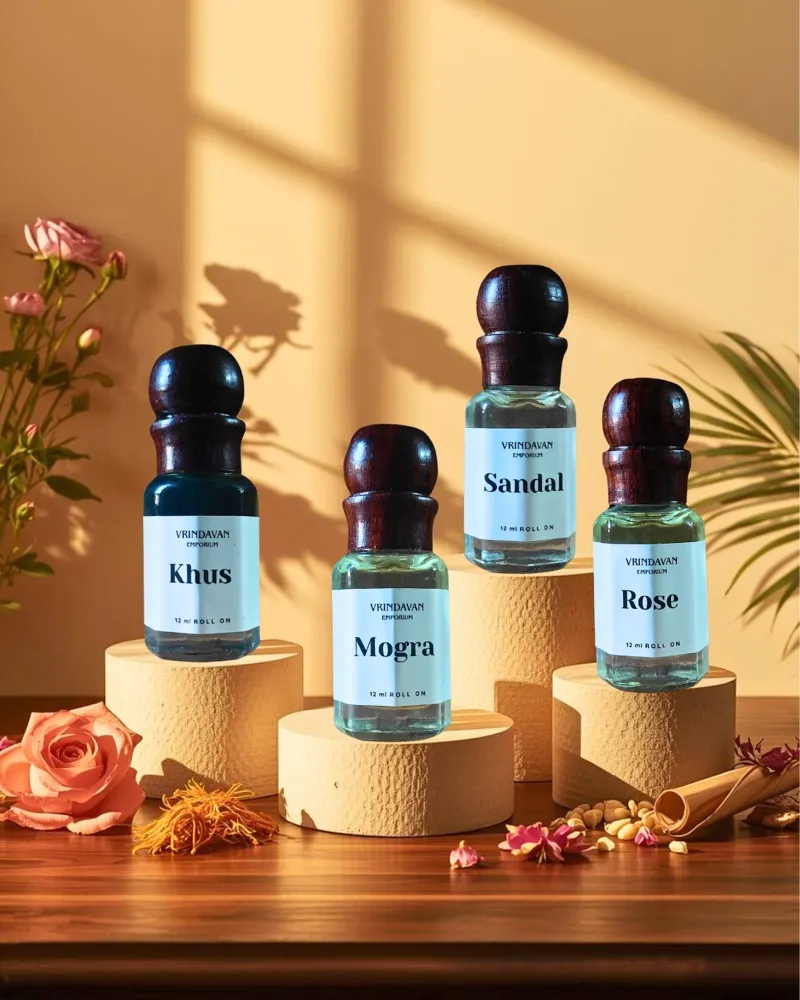
In deity seva nothing impure or intoxicating is offered to the Lord. Ordinary perfumes are alcohol-based; seva attars are pure oil-based fragrances, distilled onto a sandalwood or oil base. They are gentle on the skin, long-lasting, and suitable for offering and wearing alike.
From the Shop
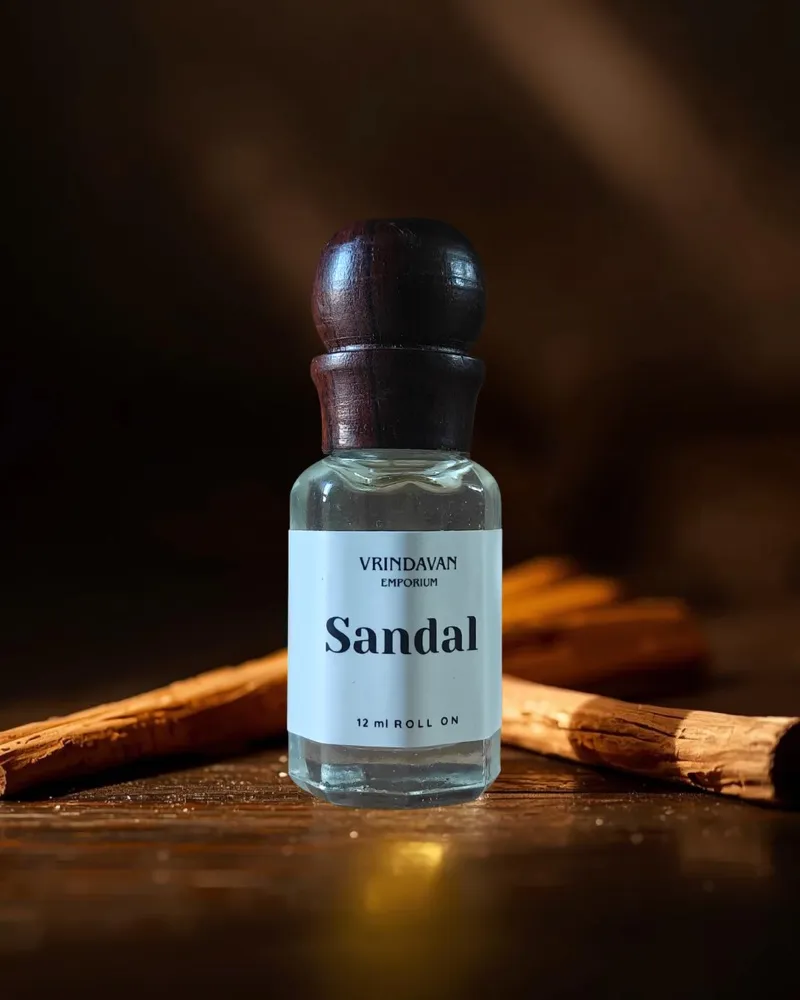
Sandal Premium Attar – Pure Chandan Alcohol Free Seva Attar
₹299
The classic seva fragrances
- Sandal (chandan): cooling, grounding and deeply traditional — a year-round favourite.
- Rose (gulab): soft and sweet, long associated with devotional offering.
- Mogra: the rich jasmine-like fragrance beloved in Indian worship.
- Khus (vetiver) and kesar (saffron): cooling khus for summer, warm saffron for winter.
From the Shop
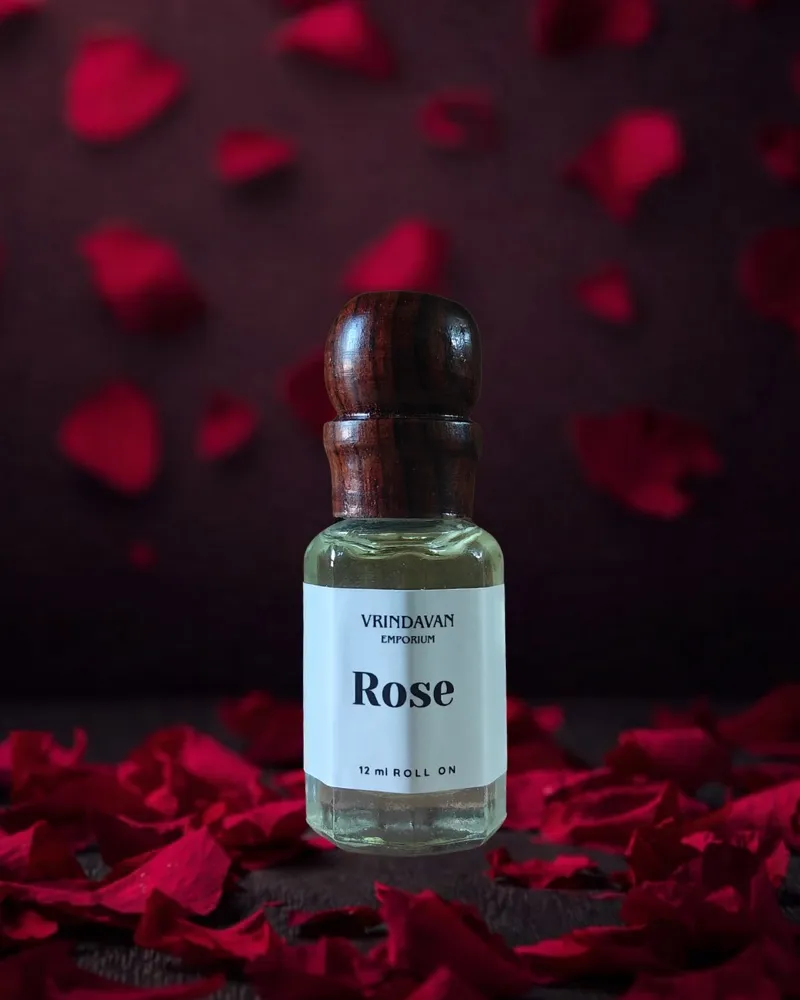
Rose Premium Attar – Alcohol Free Seva Attar for ShreeJi and Thakurji
₹299
How attar is offered and worn
- In seva: a little attar is offered to the deity — anointing the form or the cloth, or scenting the shrine.
- By devotees: worn on the wrist, neck or clothes as a fragrant mark of devotion.
- By season: cooling fragrances like khus and sandal in summer, warmer ones like saffron and heena in winter.
Frequently Asked
- Why is attar for puja alcohol-free?
- In deity seva nothing intoxicating is offered to the Lord, so seva attars are pure oil-based fragrances rather than alcohol-based perfumes. They are suitable both for offering and for wearing.
- Which attar is best for deity worship?
- Classic seva fragrances include sandal, rose, mogra, khus and saffron. Sandal and rose are year-round favourites; cooling khus suits summer and warm saffron or heena suit winter.
- How do you offer attar to a deity?
- A little attar is offered by anointing the deity's form or cloth, or by scenting the shrine, as a loving service of fragrance. Devotees also wear it as a mark of devotion.