Japa & Chanting
The Hare Krishna Maha-Mantra: Meaning and How to Chant It
5 min read · Updated 2026-07-12
The Hare Krishna maha-mantra is the central chant of the Gaudiya Vaishnava tradition, made widely known across the world in modern times. It is called the maha-mantra, the 'great chant', and is regarded as the essence of devotional practice for this age.
The words of the maha-mantra
Hare Krishna Hare Krishna, Krishna Krishna Hare Hare / Hare Rama Hare Rama, Rama Rama Hare Hare.
Its meaning
The mantra is woven from three sacred names. 'Krishna' is a name of the Supreme Lord, meaning the all-attractive one. 'Rama' is also a name of the Lord, meaning the reservoir of all pleasure. 'Hare' (from Hara) is understood in the tradition as an address to the Lord's devotional energy — a heartfelt calling out. Together the tradition takes it as a humble prayer: a plea to be engaged in the loving service of God.
From the Shop
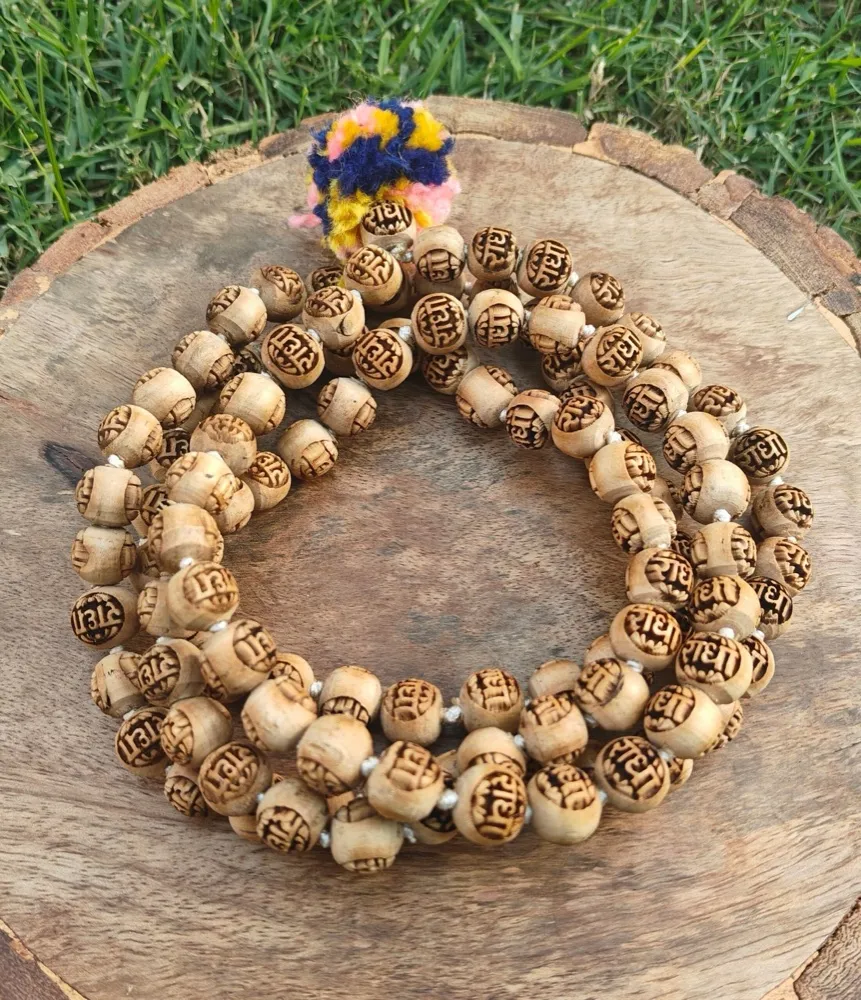
Radha naam Tulsi japmala 108+1 beads
₹2,550
How to chant it
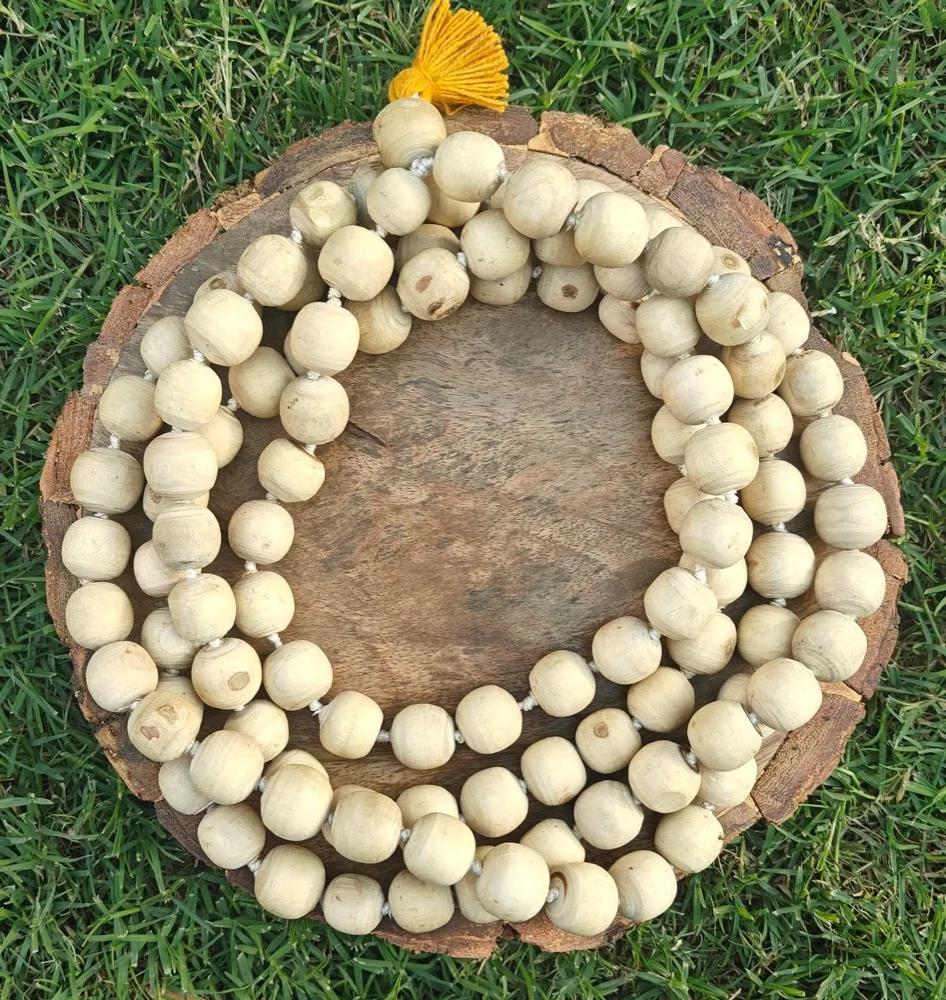
- As japa: chant it softly, once per bead, on a Tulsi mala of 108 beads — a personal, meditative practice.
- As kirtan: sing it aloud together with melody, often with instruments like kartals and mridanga — joyful and congregational.
- Anywhere, anytime: the tradition holds there are no strict rules of time or place required to chant the Holy Names.
From the Shop
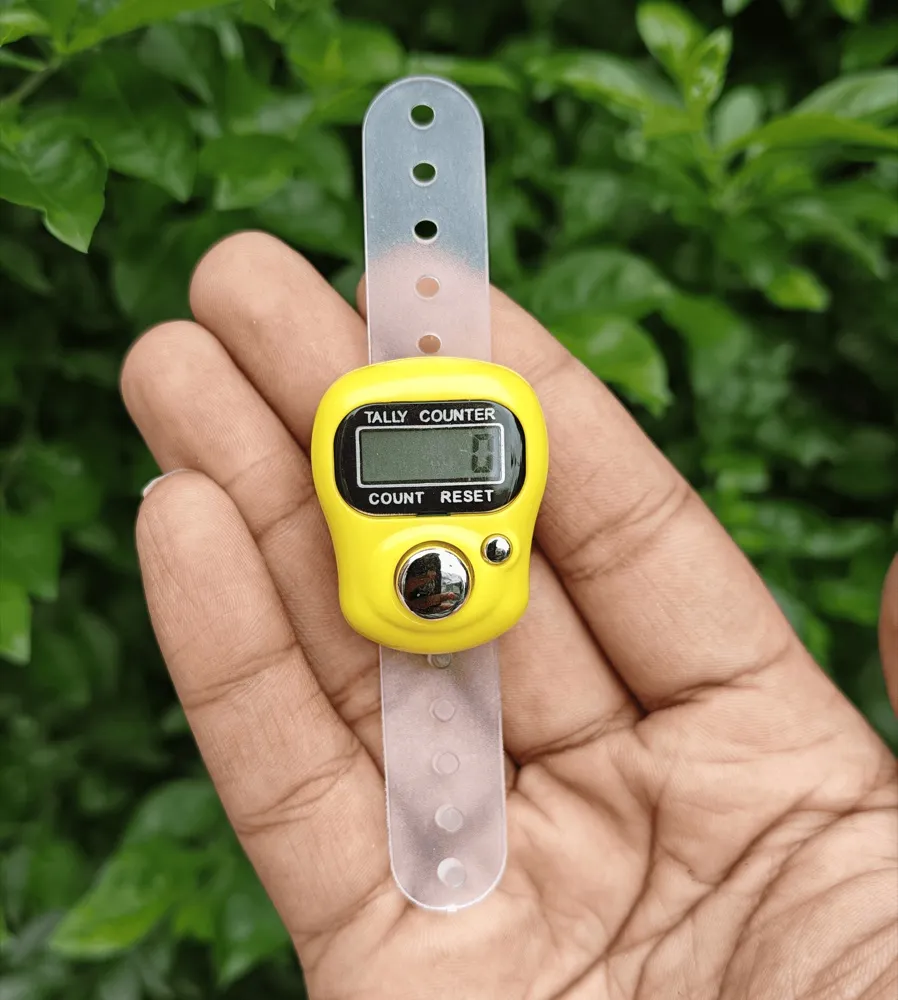
Finger Jap Counter
₹30
Frequently Asked
- What is the Hare Krishna maha-mantra?
- It is the 'great chant' of the Vaishnava tradition, made of sixteen words — the names Hare, Krishna and Rama — chanted in japa and kirtan as the essence of devotion.
- What does the maha-mantra mean?
- Krishna and Rama are names of the Supreme Lord; Hare addresses the Lord's devotional energy. The tradition understands the whole as a prayer to be engaged in the loving service of God.
- Do I need to be initiated to chant it?
- The tradition teaches that chanting the Holy Names requires no prior qualification — sincerity and regular practice are what matter. Formal initiation deepens the practice under a guru.
- What is the difference between japa and kirtan?
- Japa is soft, personal chanting on beads; kirtan is chanting aloud together with melody and instruments. Both use the same Holy Names.